Asbestos in Older Toronto Homes
What Buyers Should Actually Worry About
Finding asbestos in an older Toronto home doesn’t necessarily mean you have a major problem.
The more important questions are where is it, what condition is it in, and are you planning to disturb it?
How do you spot asbestos in an older house?
You generally can’t confirm asbestos just by looking at it. Testing is the reliable way to know.
However, there are several materials in older Toronto homes that should make you consider testing, particularly:
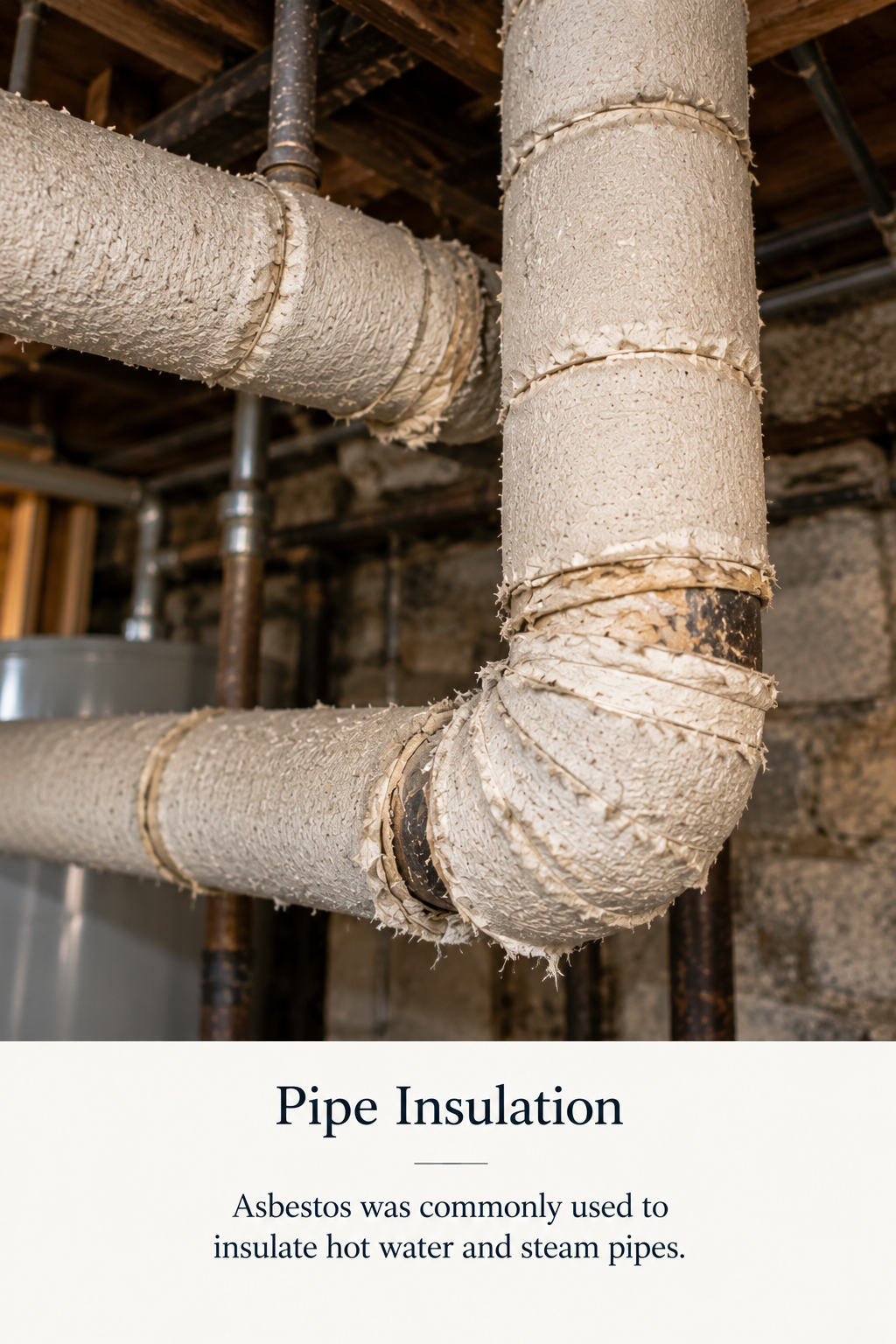
Wrapped insulation around old heating pipes and boilers
Vermiculite or other loose-fill attic insulation
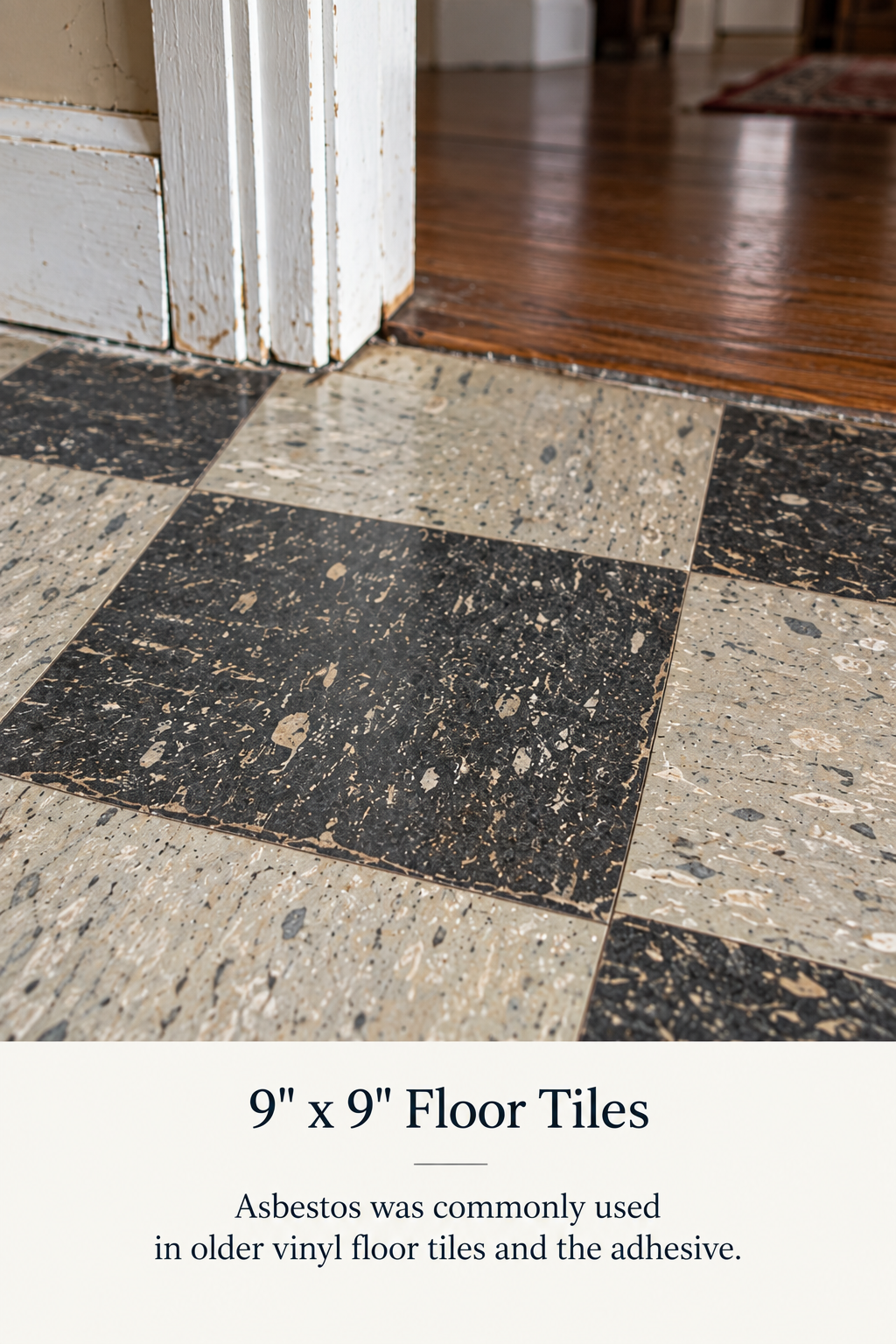
Older vinyl or asphalt floor tiles and the adhesive beneath them
Some plaster, drywall and joint compounds
Textured or stippled ceilings
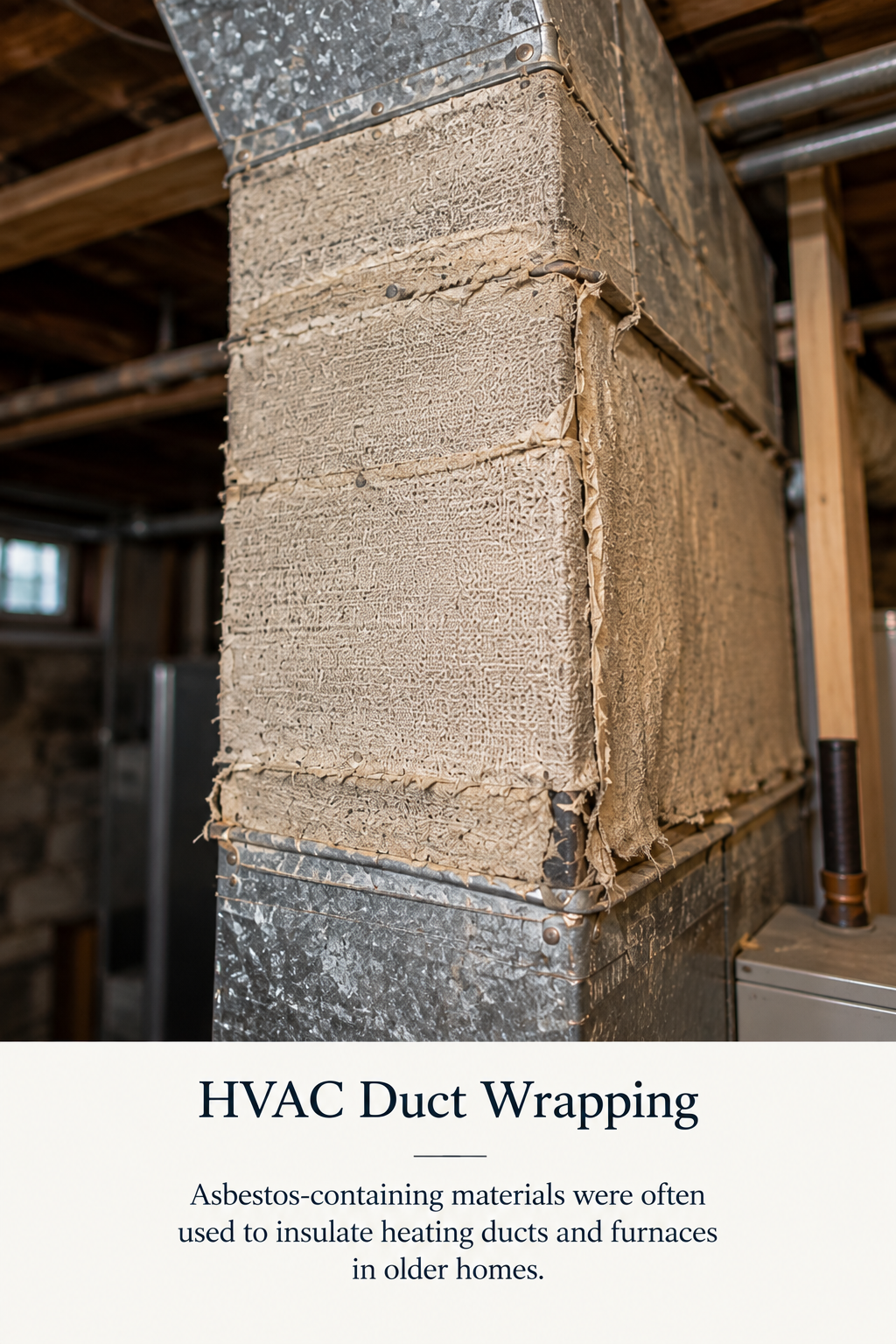
Certain duct insulation
Cement products and older siding
Ontario’s own asbestos guidance lists floor tiles, pipe and boiler insulation, drywall compounds, plaster, ceiling tiles, insulation and numerous other building products as materials that may contain asbestos. (Ontario)
That’s why an experienced home inspector may flag something as suspected asbestos-containing material, rather than declaring that it is asbestos.
Does asbestos have to be removed?
Not necessarily.
This is probably the biggest misconception I encounter with older houses.
Asbestos becomes particularly important when material is deteriorating or when a renovation is going to cut, drill, sand, demolish or otherwise disturb it. Ontario’s asbestos rules specifically distinguish between different materials and different types of work involving them. (Ontario)
So asbestos buried underneath an old floor that you have no intention of touching can be a very different issue from deteriorating pipe insulation in the basement.
For a buyer, I want to establish which situation we’re actually dealing with before treating it as a major defect.
Should you test it before buying?
Sometimes.
If a suspicious material is going to materially affect your decision, renovation plans or budget, testing can replace an assumption with an answer.
Testing itself is relatively inexpensive compared with abatement. Current Canadian pricing guides put professional residential testing commonly in the hundreds of dollars, depending on how many materials need to be sampled.
I particularly like testing when a buyer is planning an immediate renovation. If you’re buying the house specifically to open walls, remove ceilings or replace floors, knowing what you’re dealing with before closing can be useful.
How much does asbestos removal cost in Toronto?
This is where broad online estimates aren’t particularly helpful.
Removing a small amount of accessible material can be relatively inexpensive. Removing asbestos throughout an entire house can be a significant project.
The price depends on the material, quantity, accessibility, containment required and what has to be demolished to reach it. Current Toronto and Canadian estimates vary considerably for exactly that reason.
If asbestos is discovered during a purchase, I’d rather obtain a quote for the actual material in the actual house than apply an arbitrary allowance.
Should asbestos stop you from buying a century home?
Usually the word itself isn’t enough information to answer that question.
In an older Toronto house, my questions would be:
What material is suspected? Has it been tested? What condition is it in? Will we disturb it? And if it needs to come out, what will that actually cost?
Once those questions are answered, asbestos becomes something you can properly account for rather than simply another unknown associated with buying an old house.
Mike Perkins
Toronto Real Estate Agent
Real Estate. Thoughtfully Advised.
I work with buyers and sellers of older and character homes throughout Toronto. The goal isn’t to pretend century homes don’t have issues. It’s to identify those issues early, understand what they actually mean, and put realistic numbers around the solution.