Knob-and-Tube Wiring in Toronto Homes
What Buyers Should Know
Knob-and-tube wiring is common enough in Toronto century homes that finding it shouldn’t automatically rule out a house.
The important questions are how much remains, whether it is active, what your insurer requires, and what it will actually cost to replace.
How do you identify knob-and-tube wiring?
The easiest place to spot it is usually an unfinished basement or attic.
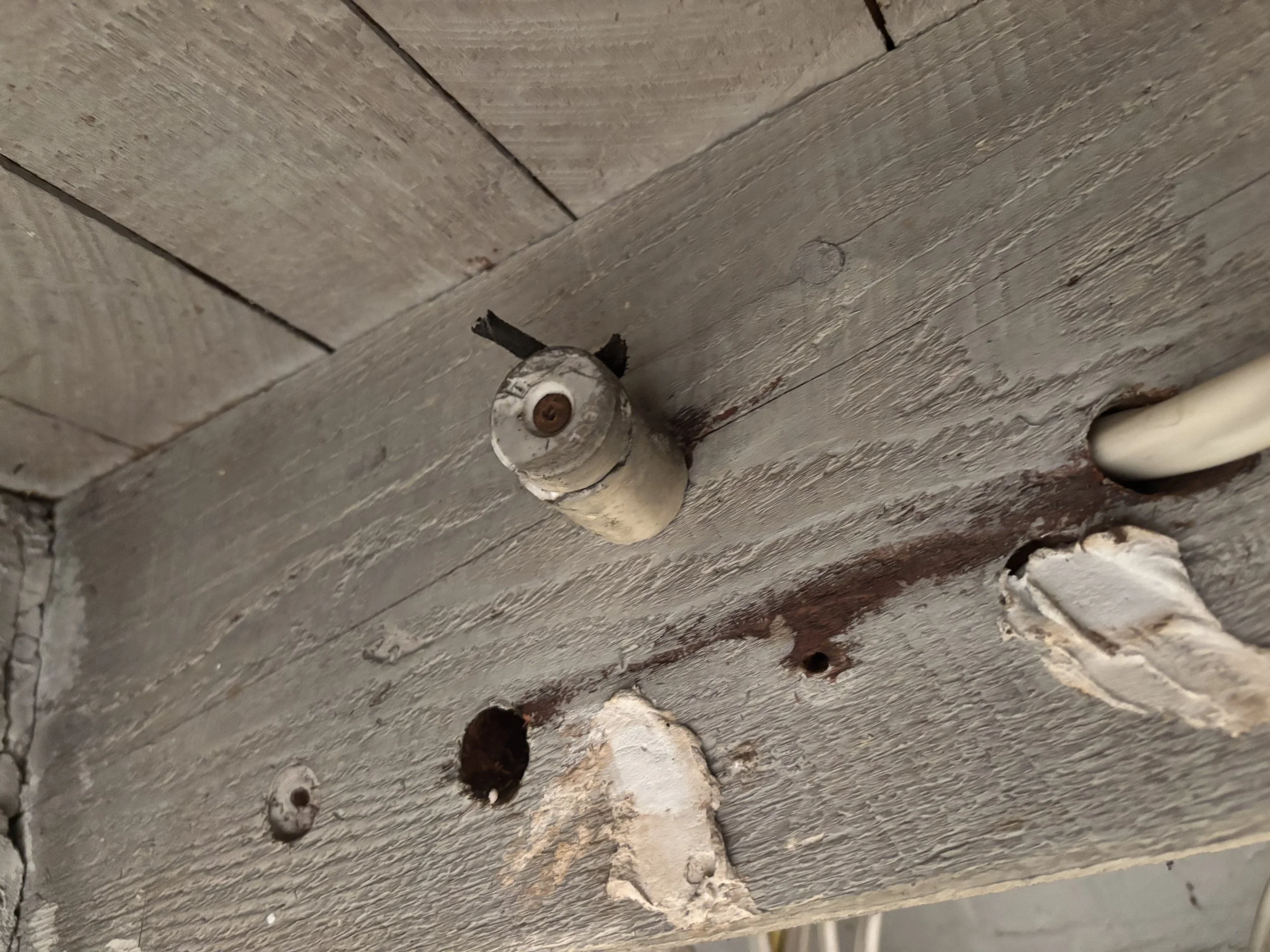
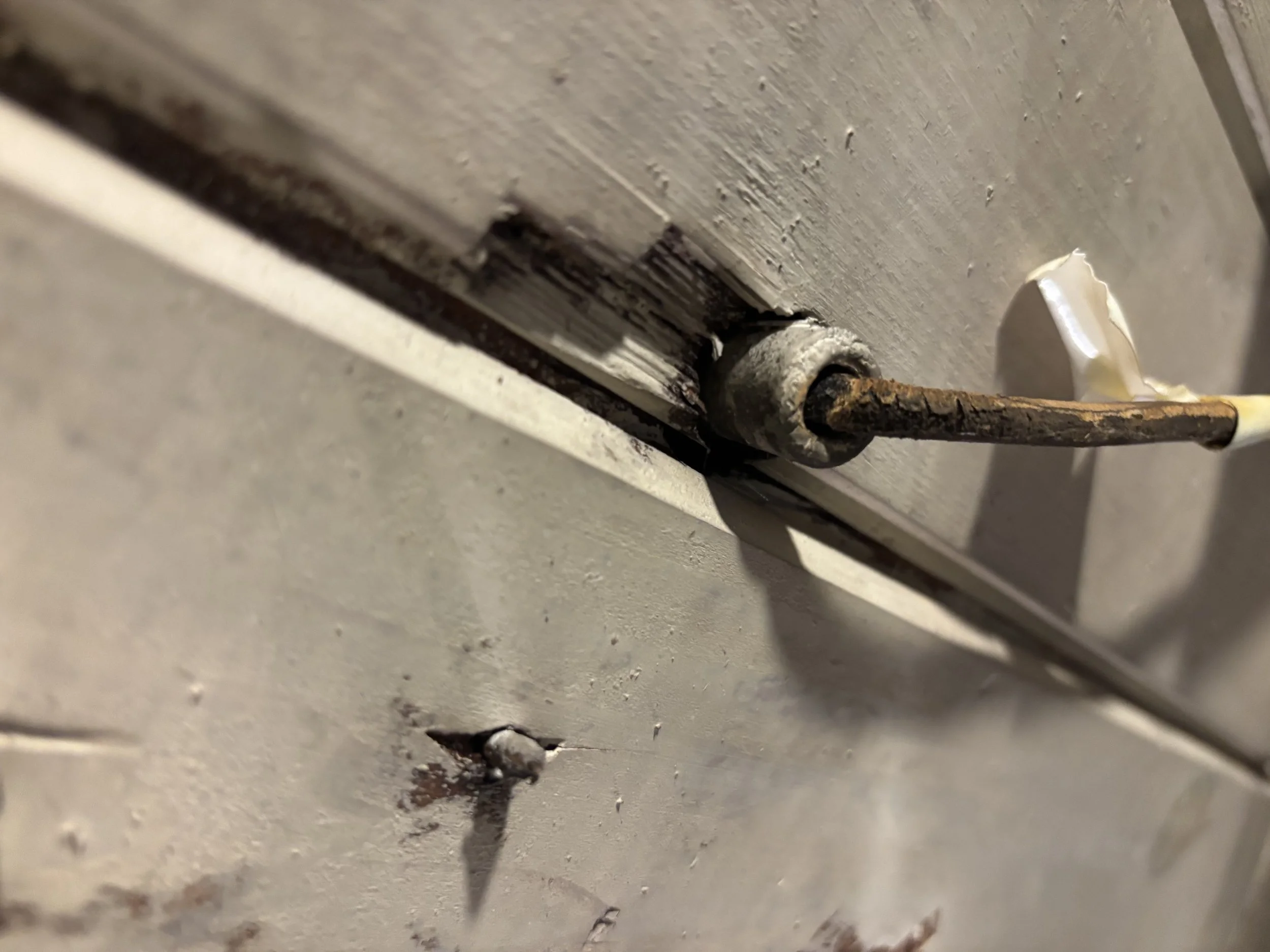
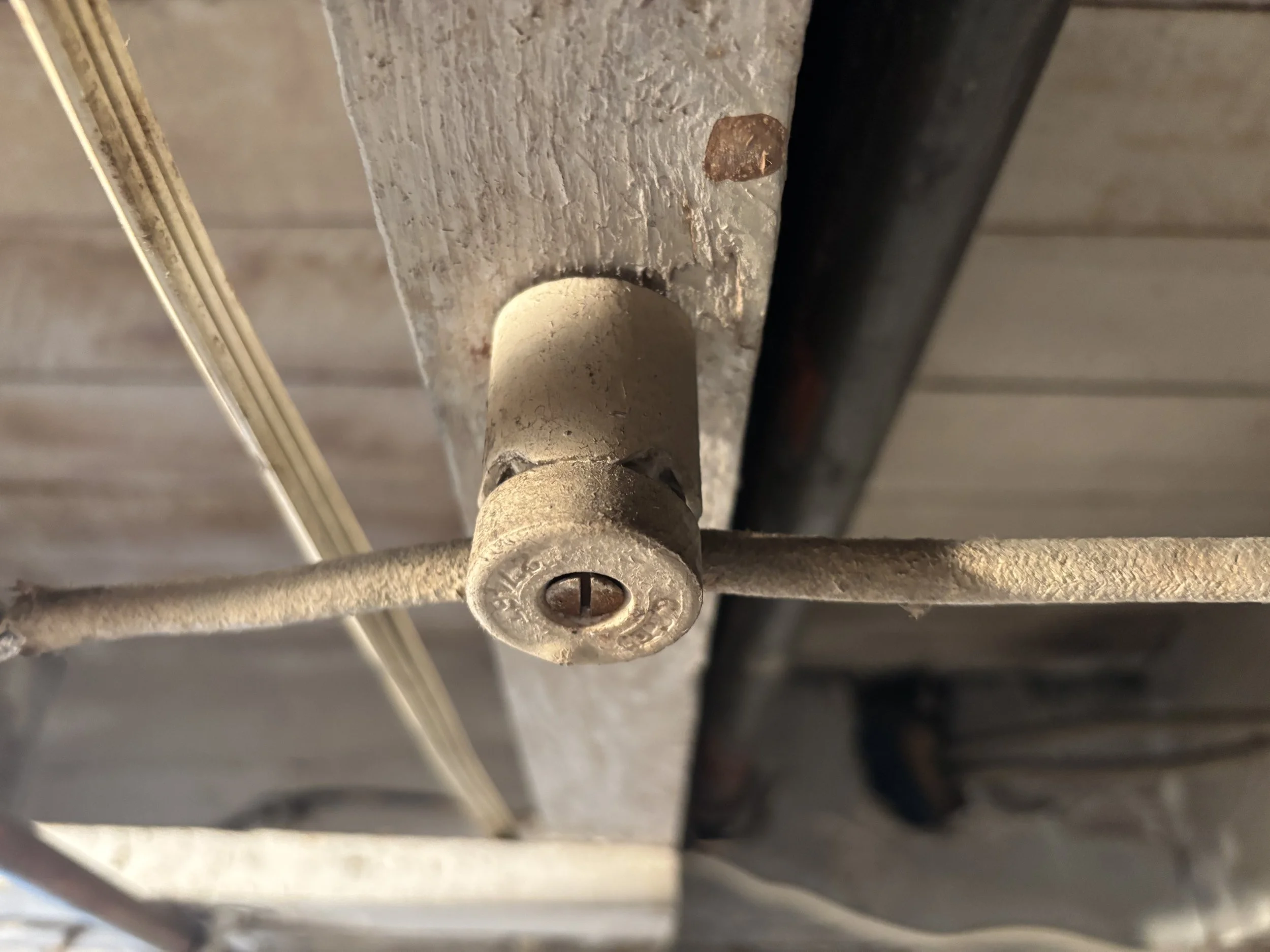
Look for individual wires running separately along joists rather than together inside a modern cable. The wires are supported by small white ceramic knobs and pass through wood framing using ceramic tubes.
But there’s a catch: don’t assume modern wiring at the electrical panel means the entire house has been rewired.
Follow the wire away from the panel
Many Toronto century homes had electrical upgrades during the 1970s and 1980s. Fuse panels were replaced with breaker panels, electrical services were increased, and older wiring was gradually replaced.
Often, the easiest and most accessible knob-and-tube wiring was replaced first.
As a result, you can look at the electrical panel today and see modern grounded copper cable that appears to suggest the house has been completely updated.
The trick is to follow that modern wiring away from the panel.
In an unfinished basement, you may discover that the modern cable travels across the basement ceiling and terminates at a junction box just before the circuit turns upward into the finished walls and upper floors.
On the other side of that junction box? Sometimes you’ll find the original knob-and-tube wiring continuing through the house.
That doesn’t mean a seller is trying to conceal anything. For decades, it was common practice to replace the wiring that was easily accessible and leave wiring that was considerably more difficult to reach.
It’s one reason I don’t rely solely on what the wiring looks like beside the electrical panel when assessing a century home.
A home inspector may identify visible knob-and-tube, but an electrician can provide a much better assessment of how much remains and whether it is still active.
Can you insure a Toronto house with knob-and-tube?
This is often the bigger issue for a buyer.
Some insurers will insure a house with knob-and-tube wiring, while others won’t. Some will provide coverage on the condition that the wiring is replaced within a specified period after closing.
A 90-day replacement period is common, but requirements vary by insurer, so buyers should confirm the terms of their particular policy before waiving an insurance or financing condition.
That means knob-and-tube can become a closing issue even if you aren’t particularly concerned about living with it.
Does all knob-and-tube need to be replaced?
Not necessarily from a purely functional perspective, but insurance requirements often make replacement the practical solution when a house changes hands.
There is also an important distinction between a house that has a few remaining circuits and one that is substantially wired with knob-and-tube.
That’s why I prefer getting an electrician involved rather than simply assigning an arbitrary number to it.
How much does knob-and-tube replacement cost in Toronto?
It depends heavily on the size of the house, how much wiring remains and how difficult it is to access.
Here’s a useful real-world example.
For a large Toronto century home I recently listed, we obtained an electrical contractor’s quote of approximately:
$11,000 + HST
to remove and replace the remaining knob-and-tube wiring. The costs would scale up as one adds more outlets, potlights, EV chargers and the like.
But that’s only part of the cost.
Running new wiring through a finished century home requires openings in walls and ceilings. We therefore obtained a separate quote of approximately:
$7,500 + HST
to patch and prime the affected walls and ceilings afterward.
That’s the part buyers sometimes overlook when budgeting for rewiring.
Should knob-and-tube stop you from buying a century home?
For me, the existence of knob-and-tube isn’t a show-stopping issue, provided the buyer has budget and time to have it replaced. Often, it’s an opportunity; most other buyers will be scared away by the stigma, whereas we know how to solve for it.
Mike Perkins
Toronto Real Estate Agent
Real Estate. Thoughtfully Advised.
I work with buyers and sellers of older and character homes throughout Toronto. With century homes, my approach is to identify potential issues early, investigate them properly and, wherever possible, put a real cost around the solution.