Case Study: Marketing a 1908 Toronto Century Home
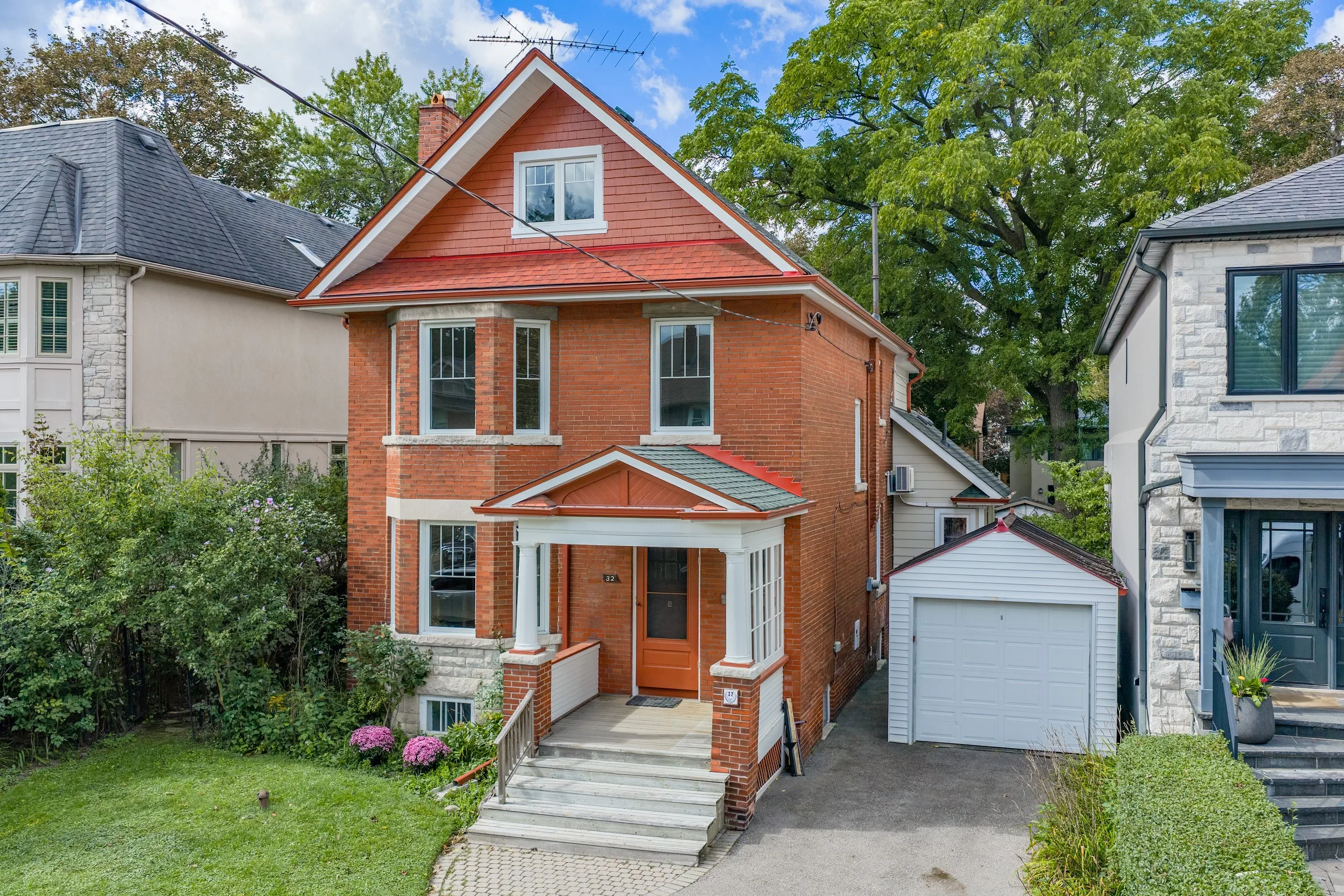
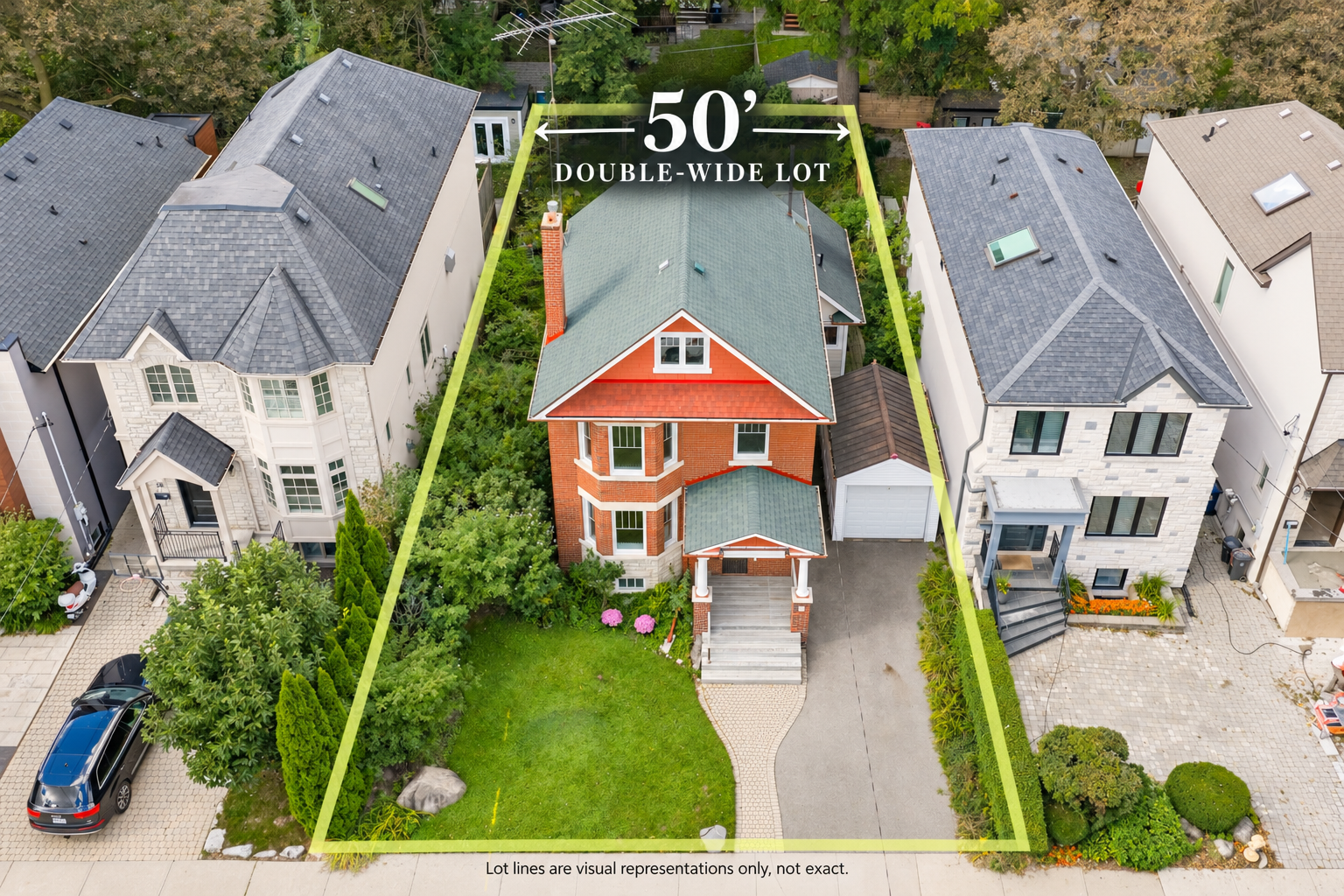
32 Belcourt Road, Davisville Village
32 Belcourt wasn’t a conventional listing.
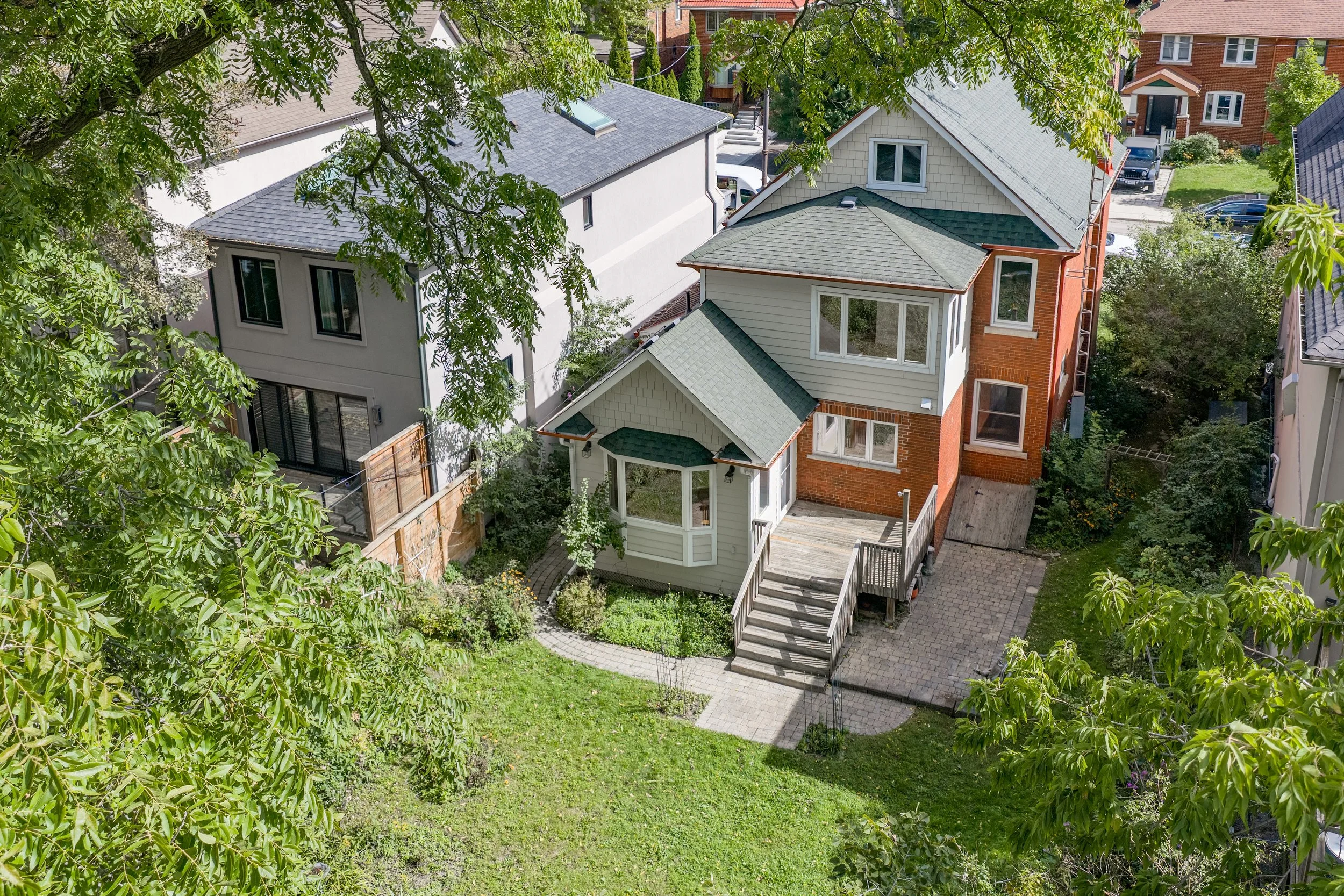
Built in 1908 and held by the same family since 1970, the house offered approximately 3,592 sq. ft. of interior space, six bedrooms and an exceptional 50 × 125 ft lot.
It also came with many of the things that can make buyers hesitate with a century home: knob-and-tube wiring, plaster walls, an unconventional layout, rooms that hadn’t been cosmetically updated in years, and opportunities to add bathrooms and reconfigure spaces.
My objective wasn’t to make a 1908 house pretend to be new.
It was to make it as easy as possible for buyers to understand what was there, what actually needed work, and what could be done with it.
1. Start by understanding the house
Before deciding how to market the property, I wanted to understand it.
That meant looking at its construction, measuring the house, identifying the original double-brick structure and later additions, reviewing its systems and completing a pre-list home inspection.
I also spent considerable time researching the property’s history.
What initially looked like a large old Davisville house turned out to have a remarkable story stretching back to 1908, with generations of artists, writers, actors and musicians connected to the property.
Understanding both sides of the house—its physical condition and its history—became the foundation for everything that followed.
2. Make an empty house feel cared for
By the time I listed 32 Belcourt, the house was vacant.
Empty older houses can be difficult to present. Every scuff, dated colour and small maintenance item becomes more noticeable, and buyers can quickly start mentally turning cosmetic work into a much larger renovation.
So before staging or photography, we detailed the house from top to bottom.
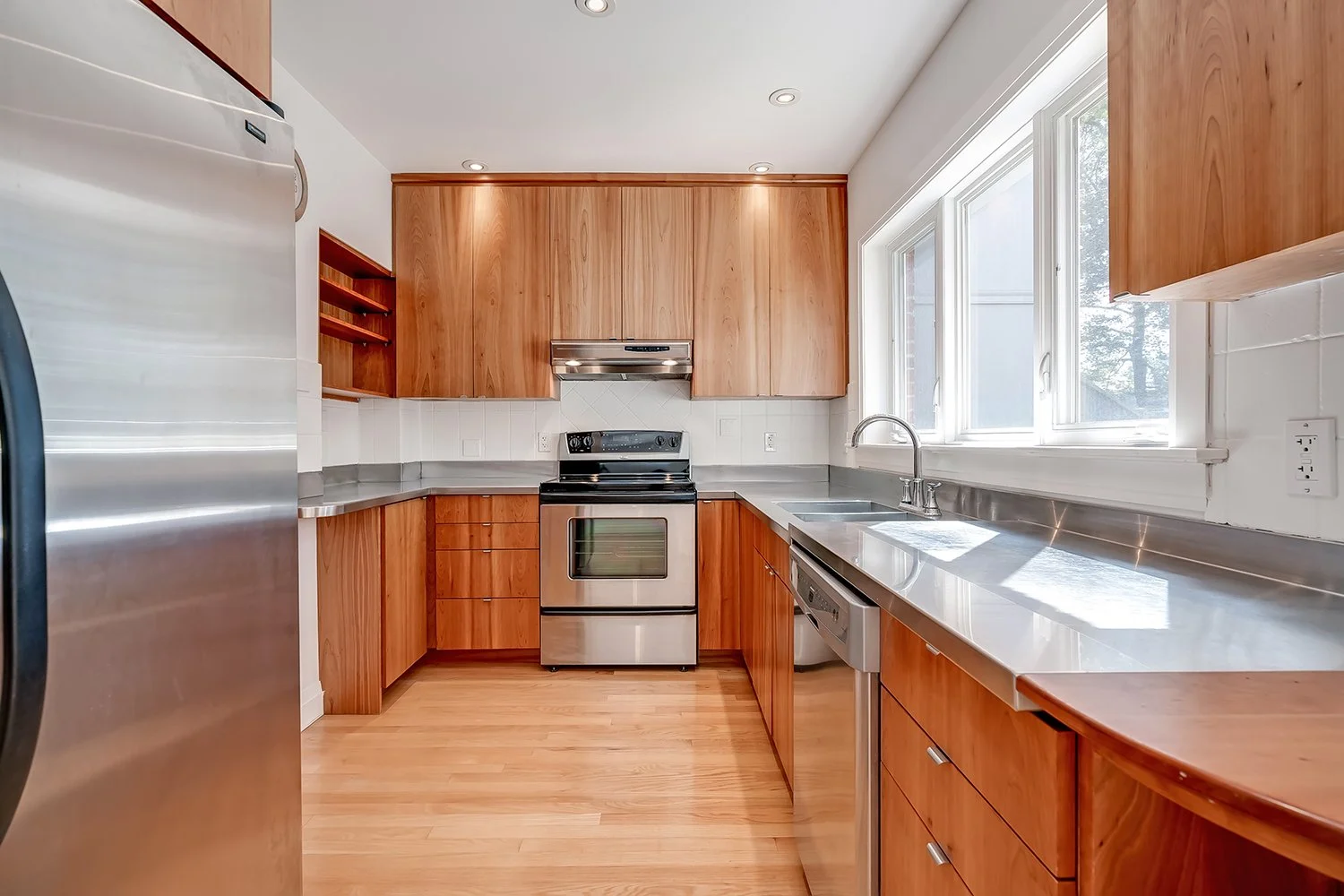
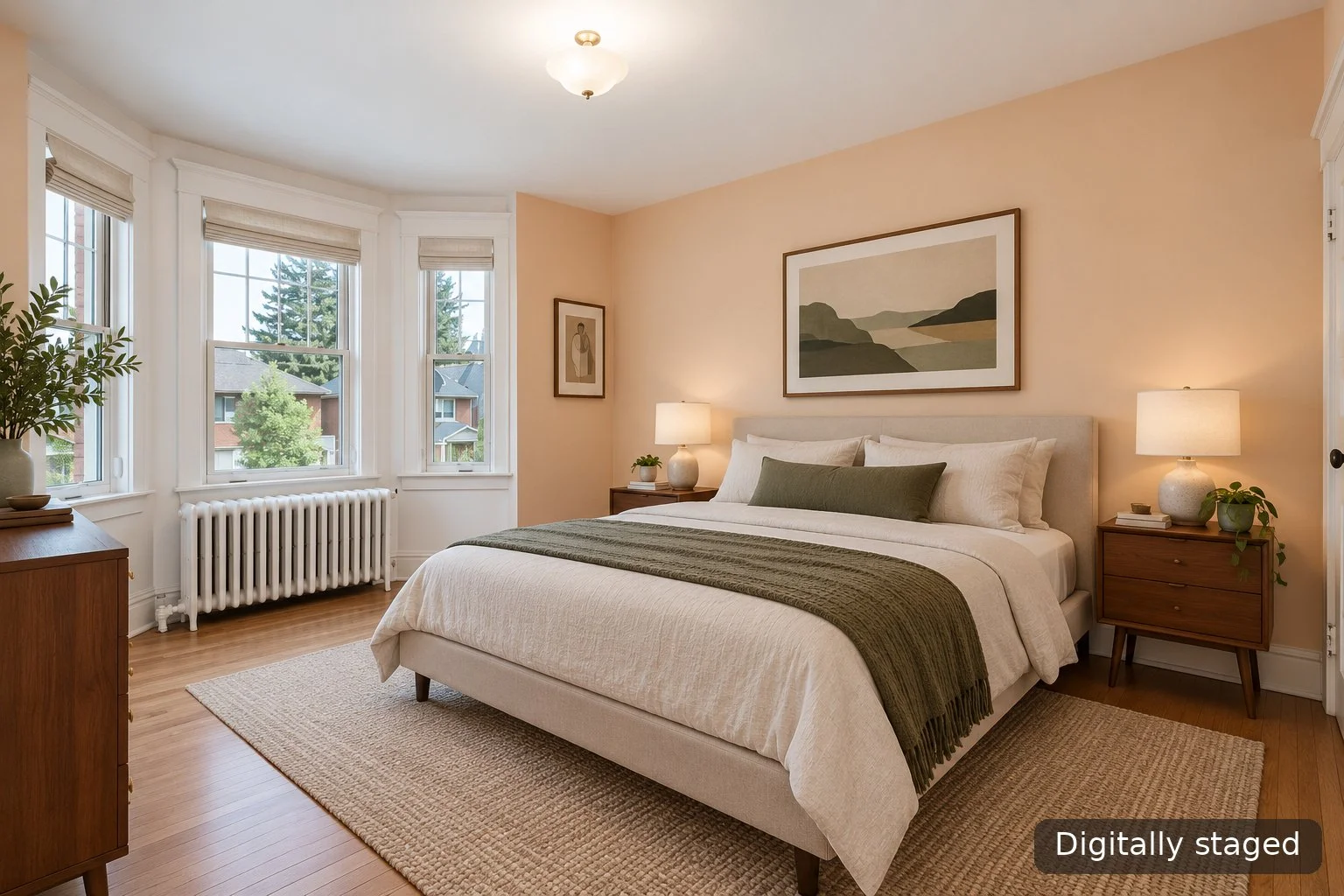
Rooms with particularly dated paint colours were repainted.
Rather than undertaking unnecessary renovations, we looked for inexpensive cosmetic changes that would stop dated finishes from overwhelming otherwise good spaces.
That included painting over some distinctly 1980s-style tile rather than replacing an otherwise functional room.
The goal wasn’t to make the house look newly renovated.
It was to make it feel clean, maintained and immediately livable.
That’s an important distinction.
I didn’t want a buyer looking at a room that needed decorating and mentally budgeting for a complete renovation.
Sometimes a room doesn’t need $50,000.
Sometimes it needs paint.
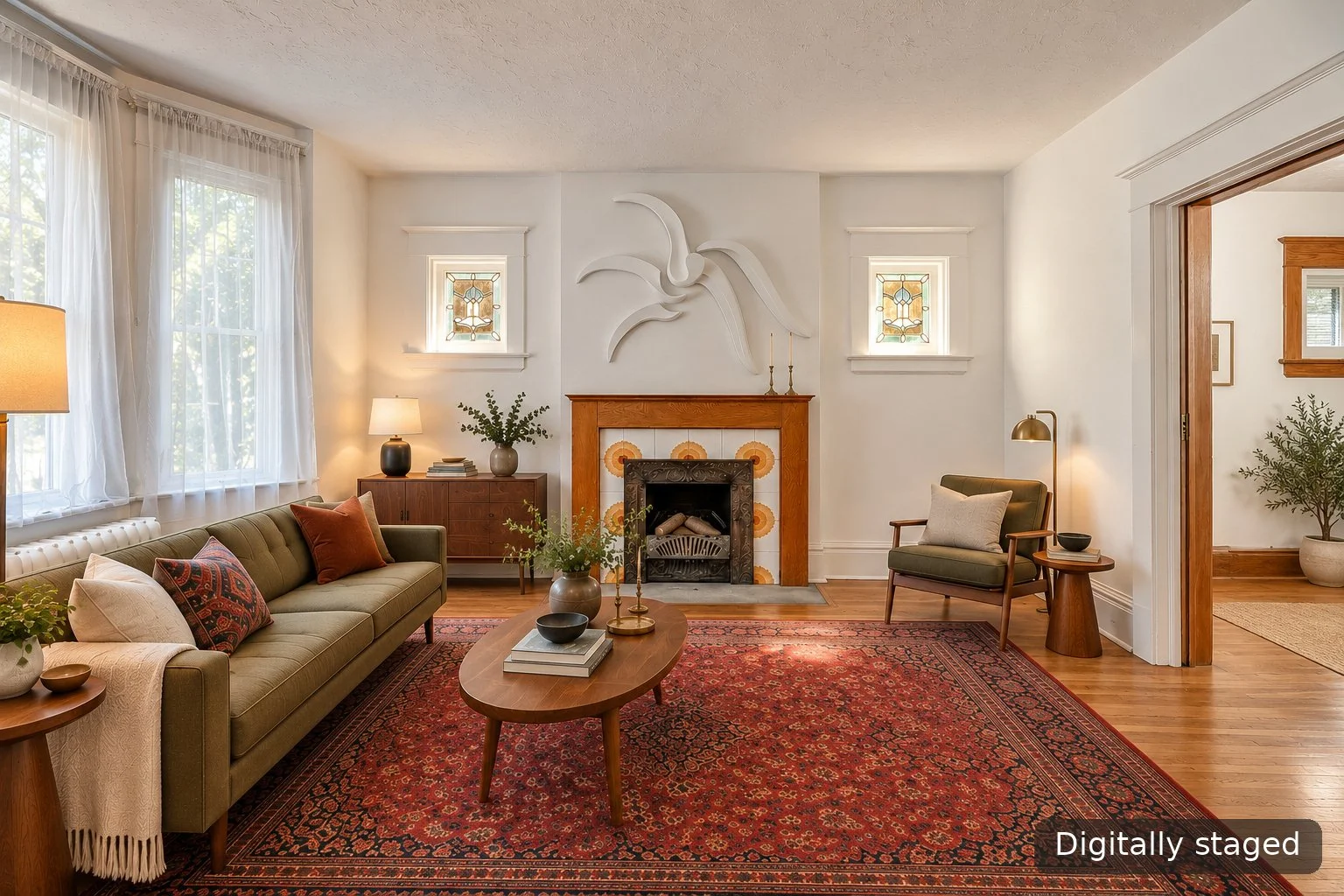
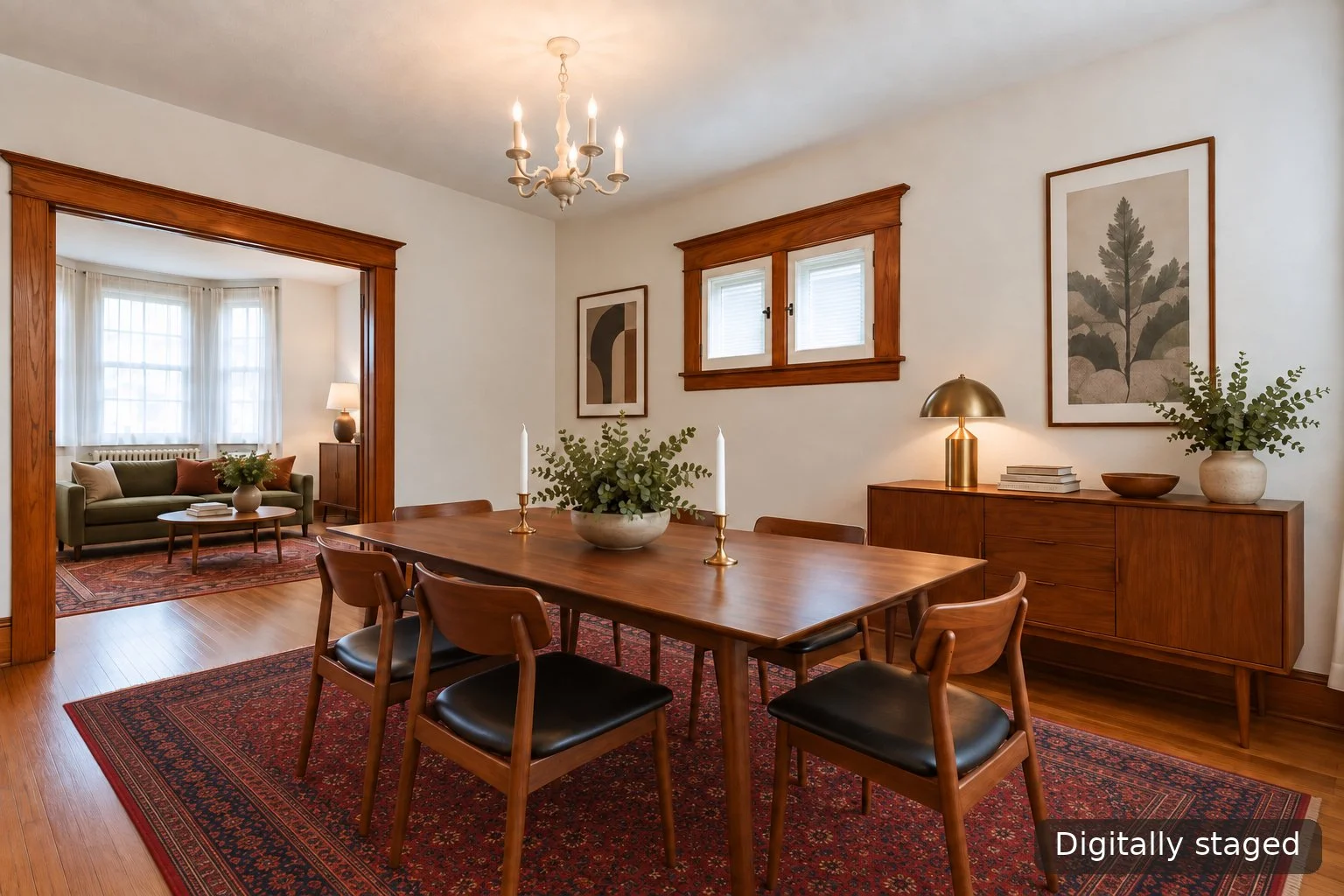
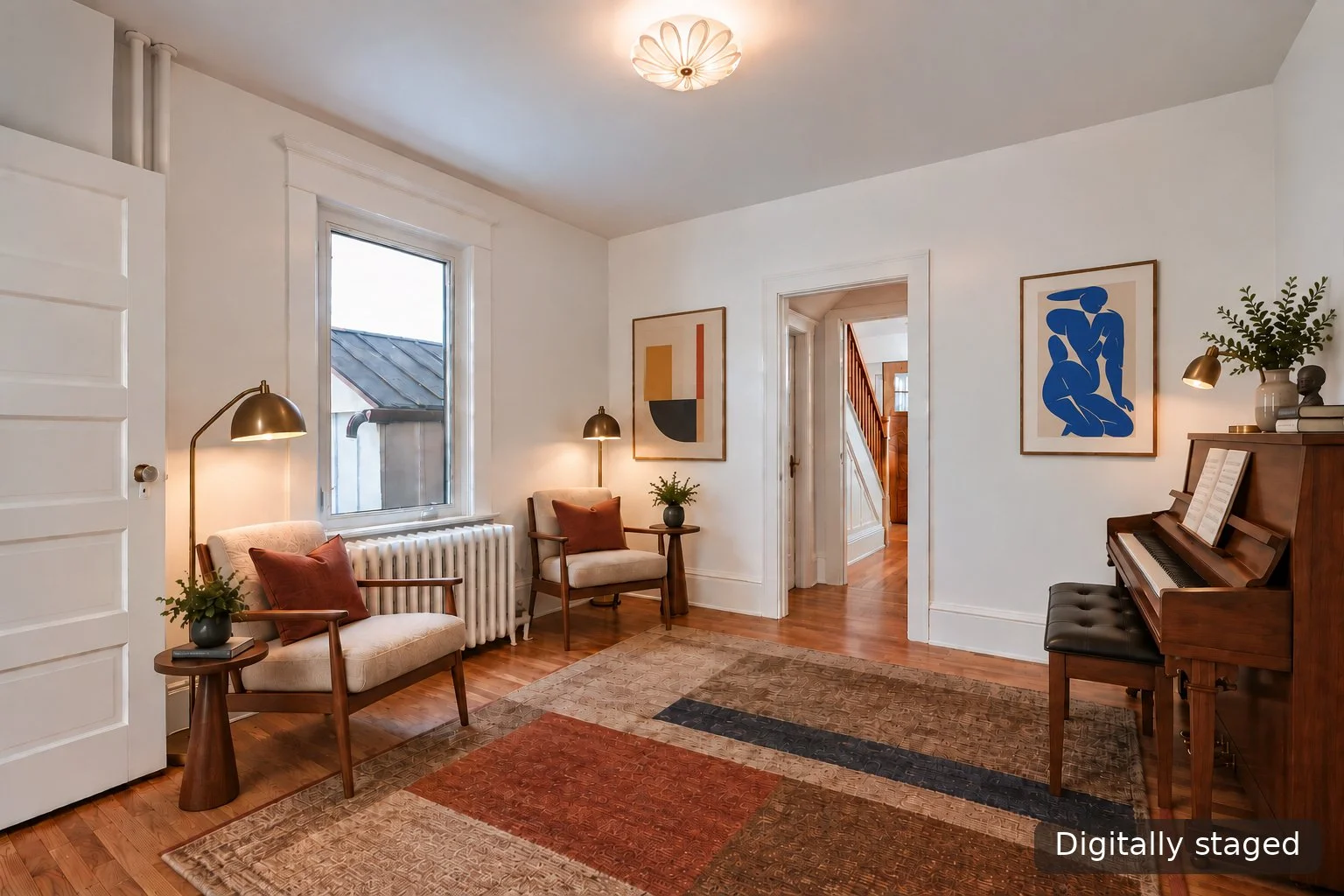
3. Stage virtually; Enoung to explain the house
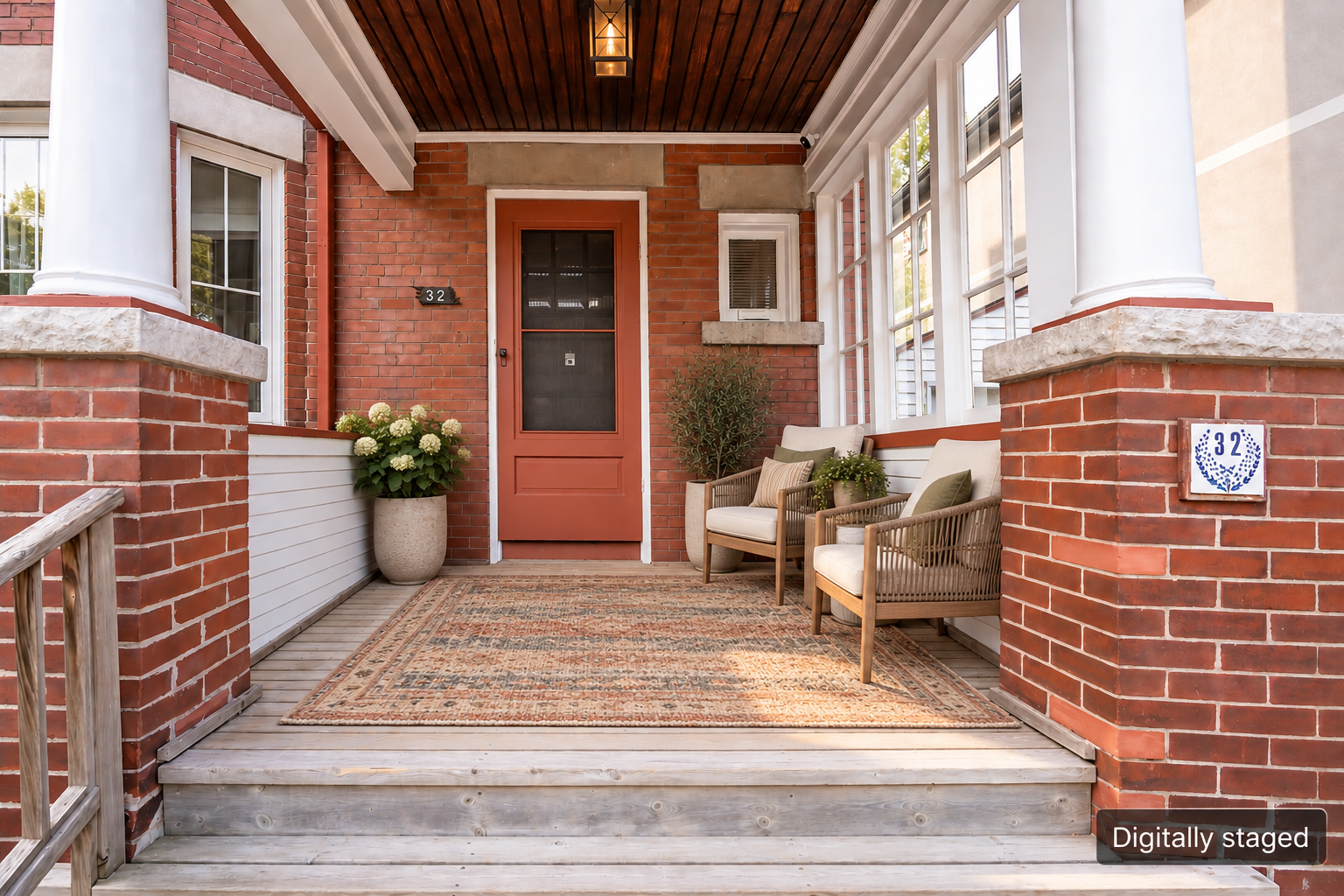
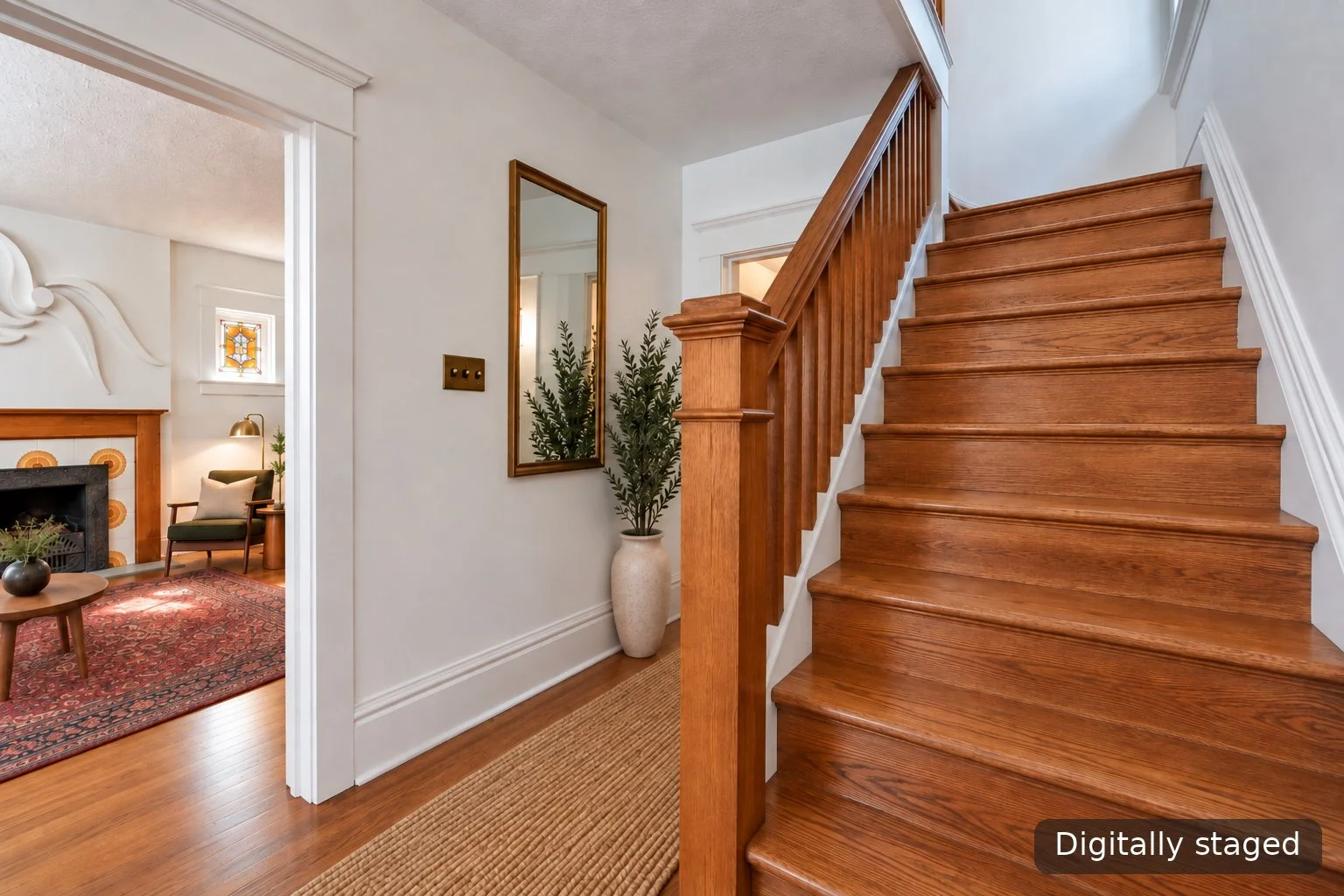
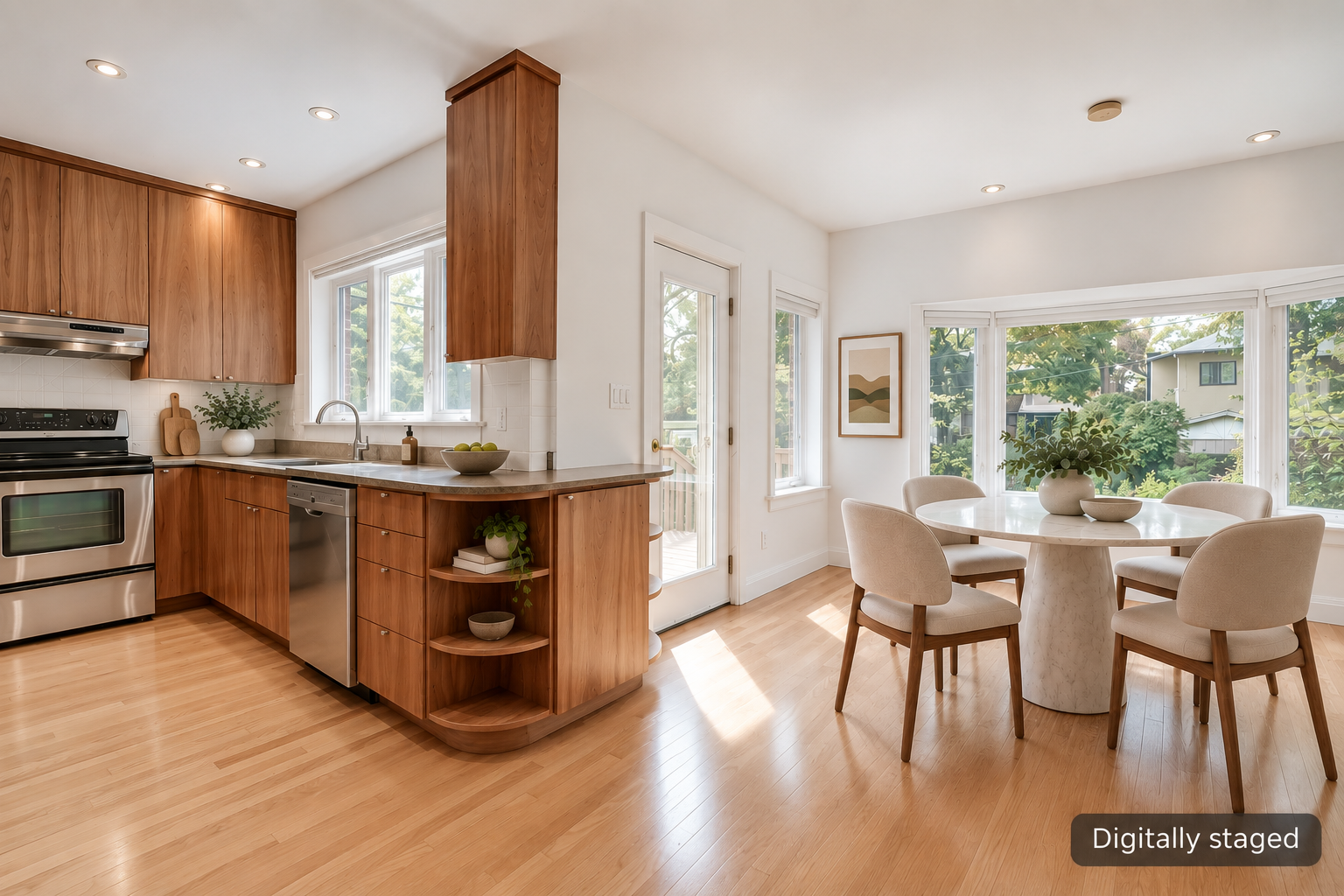
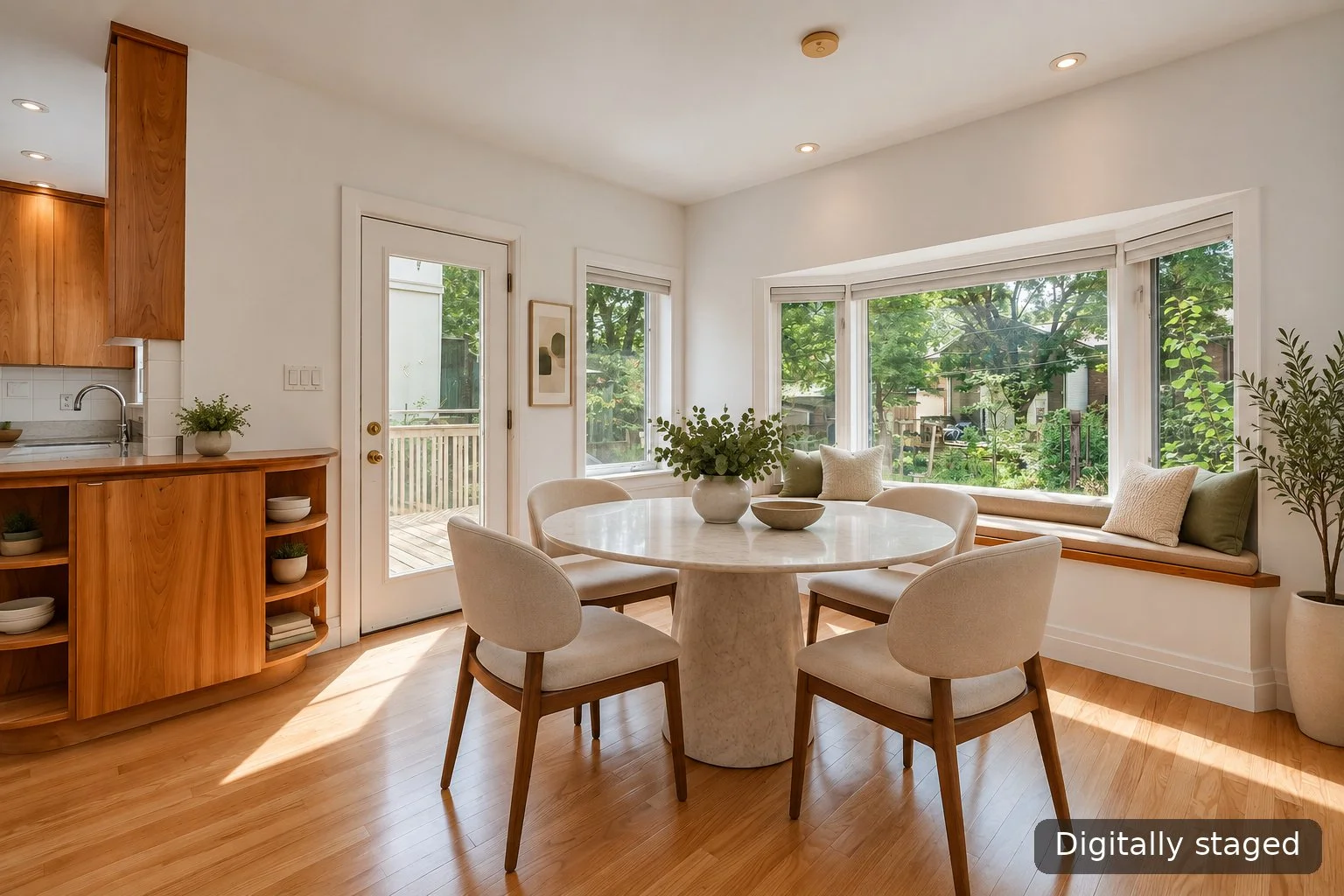
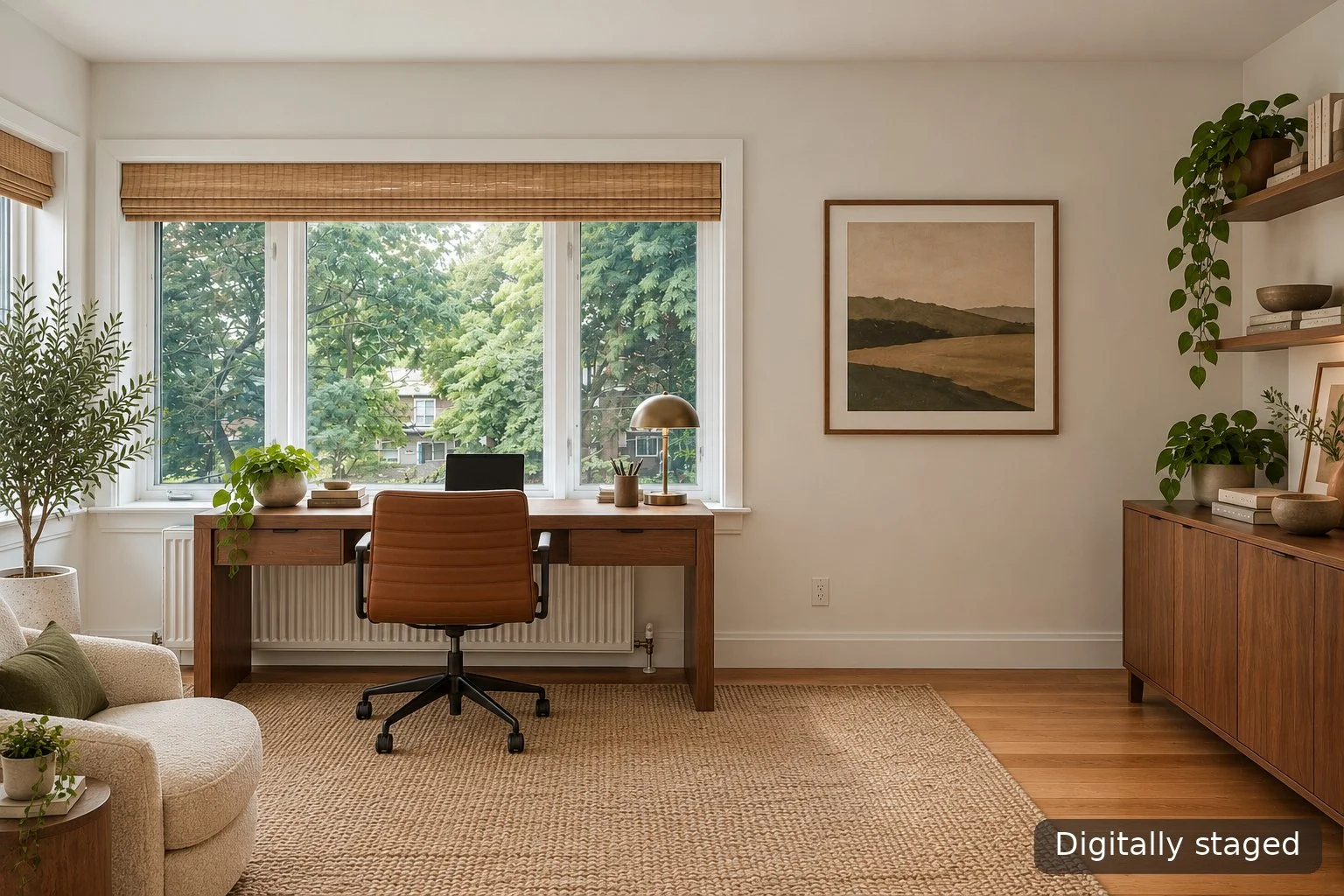
With a large vacant house, completely furnishing every room wasn’t necessary. Arguably, it creates an unknown.
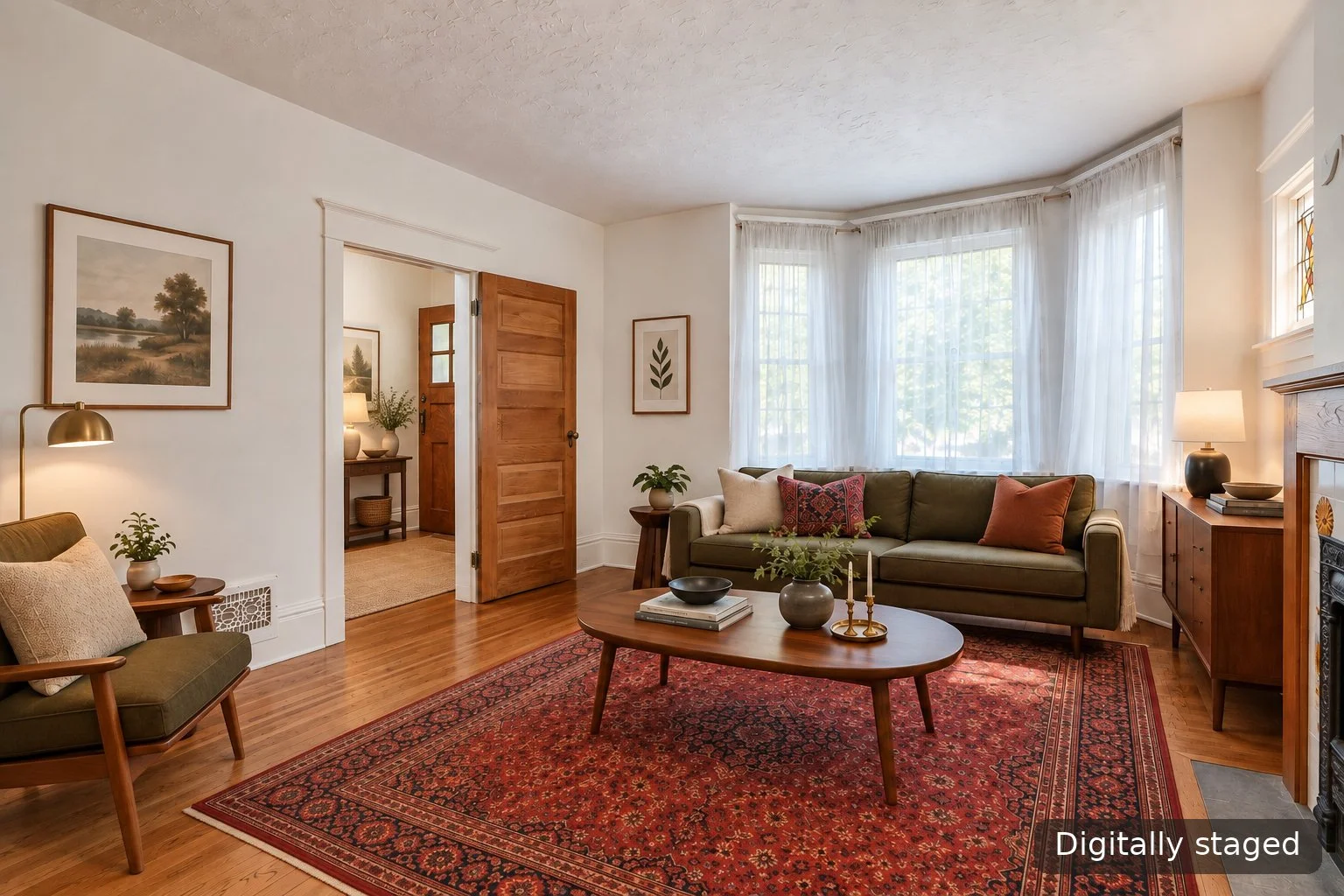
Buyers know there’s some work to do, but if we cover the beautiful hardwood with Persian rugs, buyers are left wondering if those floors need refinished or not. Same goes for heavy drapery - it’s pretty, but it covers up the new windows.
The goal online is to show how gorgeous it would be decorated, so we digitally staged. In person, the goal is to show simplicity and order.
Where a renovation possibility was difficult to visualize, digital renderings could demonstrate what the space might become—but they were clearly identified as digitally rendered concepts.
The objective wasn’t to disguise the existing house.
It was to help buyers read it.
4. Put real numbers around the problems
Knob-and-tube wiring remained in the house.
Rather than waiting for an inspector to discover it and leaving buyers to imagine the worst, I obtained actual contractor quotes before the property came to market.
Electrical replacement: $10,978 + HST
Wall patching and spot priming: $7,850 + HST
Total quoted project: $18,828 + HST
The complete quotes were available for buyers to review.
A potentially intimidating unknown had become a defined project with a price attached to it.
Read: Knob-and-Tube Wiring in Toronto Homes
5. Investigate the opportunities too
The same approach was applied to what the house could become.
With six bedrooms but no bathroom on the third floor, buyers might reasonably wonder whether adding one was practical.
So we investigated it.
A contractor provided a quote of $44,900 + HST to add a three-piece bathroom.
The existing main bathroom also had adjacent space that could allow it to be expanded to include a separate shower and bathtub.
That was priced at $39,000 + HST.
Instead of saying:
“You could probably put a bathroom here,” we could show buyers that somebody had actually investigated the idea and put a number around it.
6. Don’t hide the awkward stuff
I placed small signs throughout the house explaining features, deficiencies and opportunities.
Above the original switches:
“Yes, this is Knob and Tube.”
Then immediately underneath:
Electrical replacement: $10,978 + HST
Wall repair: $7,850 + HST
Total project: $18,828 + HST
On the third floor:
“This floor is missing a bathroom, isn’t it?”
Followed by the contractor’s quote to add one.
The philosophy was simple:
If a buyer discovers it, it can feel like a problem. If it’s identified upfront and paired with a documented solution, it can look a lot more like an opportunity.
7. Find the story before marketing the house
Marketing an unusual property effectively starts well before writing the MLS description.
I researched the house itself, its construction, the development of the surrounding neighbourhood and the people who had lived there.
That uncovered a remarkable artistic history.
The property had been home to writer and actress Corinne Langston, actor, writer and sculptor Desmond Scott, and earlier artist and teacher Allen Good, among others.
Family members helped provide photographs, stories and archival material that allowed the history of the property to be documented much more completely.
Rather than squeezing all of that into an MLS description, I created a separate history of the house.
Explore The Story of 32 Belcourt Road
The MLS could sell the property.
The separate history could explain why this particular house mattered.
8. Find every credible media angle
Once I understood the property, I could determine what might actually make it interesting beyond a conventional real-estate listing.
There wasn’t just one possible story.
There was the 1908 farmhouse angle.
There was the first sale since 1970 angle.
There was the remarkable artistic history of its residents.
There was the challenge of marketing a large century home with dated systems without hiding them.
And there was the broader story of how unique properties sometimes require a very different marketing strategy.
I identified the strongest potential angles and conducted targeted outreach to Toronto media rather than simply sending out a generic listing announcement.
The objective wasn’t publicity for its own sake.
It was to find the aspects of the property that were genuinely interesting and put those stories in front of the journalists and publications for whom they might actually be relevant.
Read: BlogTO Article about 32 Belcourt
9. Give buyers access to the homework
Inspection information, contractor quotes, renovation concepts, floor plans and the history of the property were organized so interested buyers could explore them.
QR codes inside the house connected visitors with digital copies. Printed copies were available too.
That meant someone leaving an open house didn’t have to remember everything they’d seen.
They could go home and actually investigate it.
The property wasn’t being marketed with less information because it was old.
It was being marketed with more.
The strategy
There wasn’t one magic piece of marketing at 32 Belcourt.
It was a series of smaller decisions:
Understand the house.
Clean it thoroughly.
Fix the cosmetic distractions.
Don’t renovate unnecessarily.
Make an empty house feel livable.
Identify the real problems.
Get actual quotes.
Demonstrate the possibilities.
Research the history.
Find the stories worth telling.
Make the information easy for buyers to access.
A century home doesn’t need to be marketed like a new house.
Its age isn’t something to hide.
The job is to help buyers understand it.
Mike Perkins
Toronto Real Estate Agent
Real Estate. Thoughtfully Advised.
Thinking about selling an older or character home in Toronto?
My approach is to understand what makes the property different first—and build the marketing around that.
The High Level Plan

Start by understanding the house
Make an empty house feel cared forStage enough to explain the housePut real numbers around the problemsInvestigate the opportunities tooDon’t hide the awkward stuffFind the story before marketing the houseFind every credible media angleGive buyers access to the homework