Clay Sewer Pipes in Toronto Homes
What Buyers Should Know
Clay sewer pipes are common in older Toronto homes. Finding one doesn’t necessarily mean it needs to be replaced.
What matters is its condition, whether roots have entered it, whether sections have shifted or cracked, and whether wastewater is flowing properly.
How do you know if a Toronto house has a clay sewer?
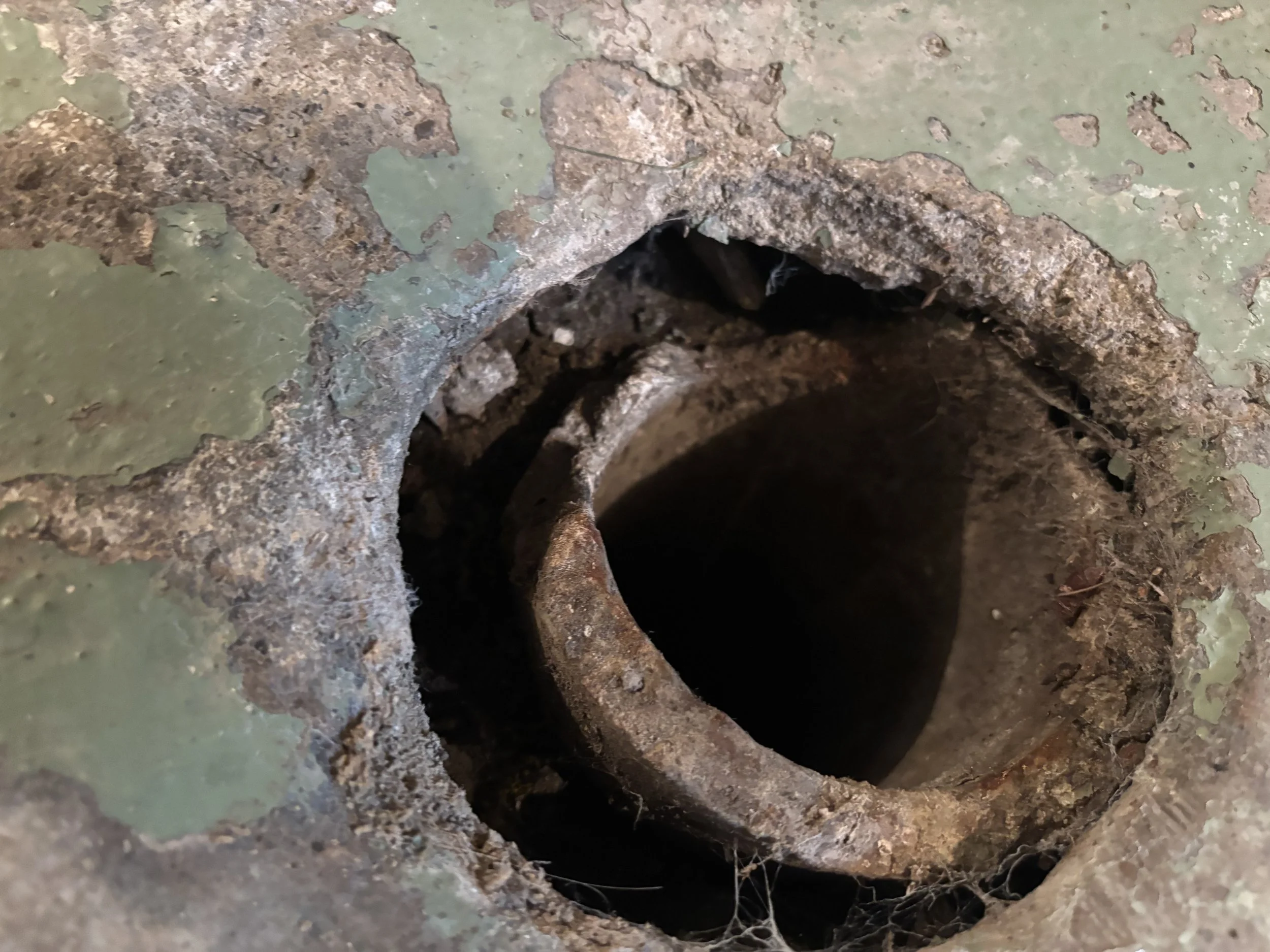
You can often tell by looking down the floor drains in the basement. There are also some tells outside in the front garden or yard.
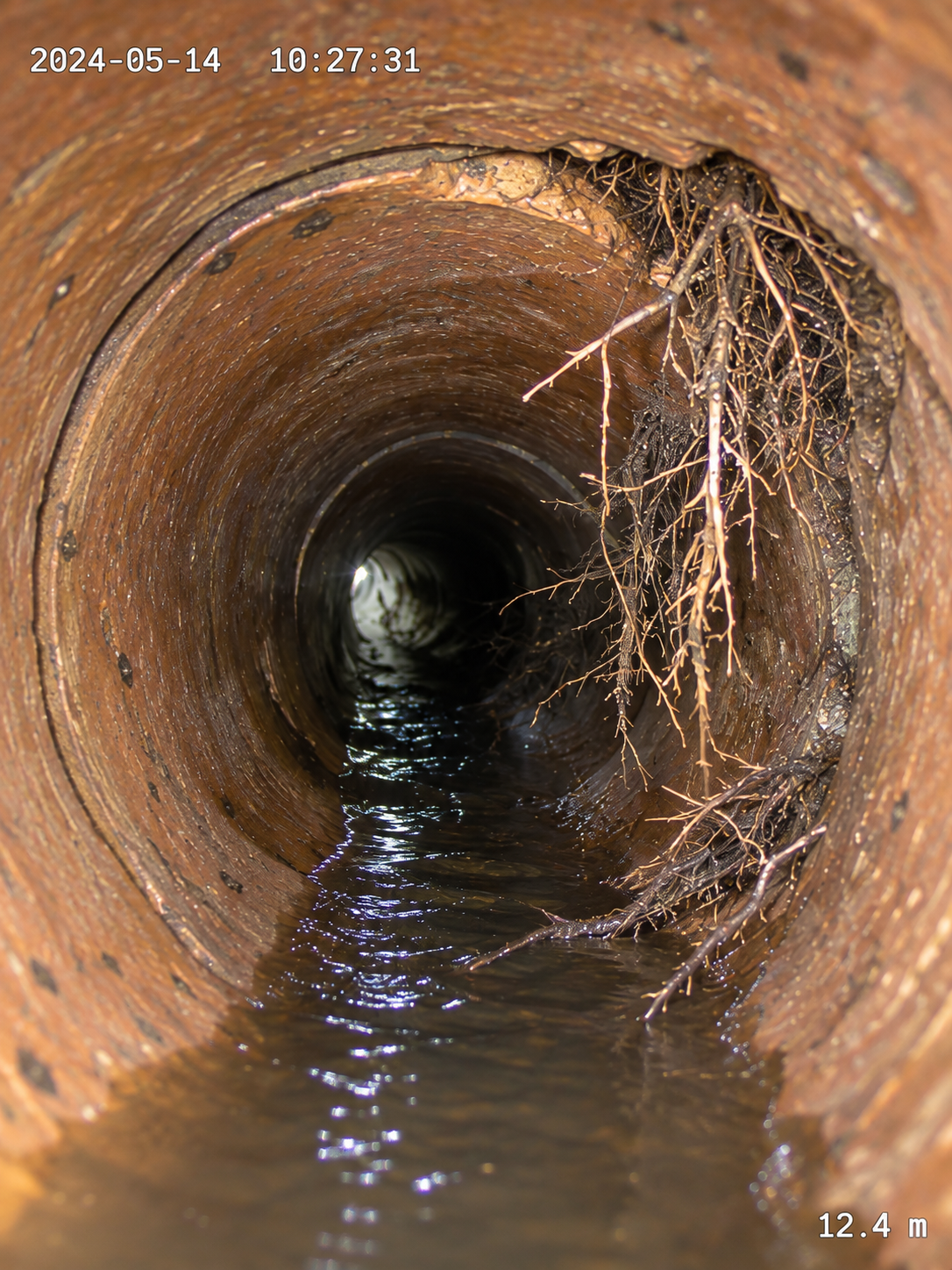
The best way to investigate is a sewer camera inspection, where a plumber or inspector runs a camera through the home’s sewer line toward the street.
For older Toronto homes, this is an inspection I particularly like having done.
The City of Toronto itself notes that sewer pipes in older homes may be clay or cast iron and can crack or deteriorate over time. Tree roots can also enter sewer pipes and cause blockages.
What should you look for during a sewer scope?
You’re not simply trying to establish whether the pipe is clay.
You’re looking for things such as:
Cracks or breaks
Tree-root intrusion
Sections that have shifted or separated
Areas where water or debris isn’t flowing properly
Evidence of previous repairs
Changes from one pipe material to another
A clay sewer that’s old but intact and functioning properly is a very different situation from one with significant root intrusion or structural damage.
Don’t assume some PVC means the sewer was replaced
This is one of the things I watch for in older homes.
You may find a section of modern PVC and assume the old clay sewer has already been replaced.
Follow it.
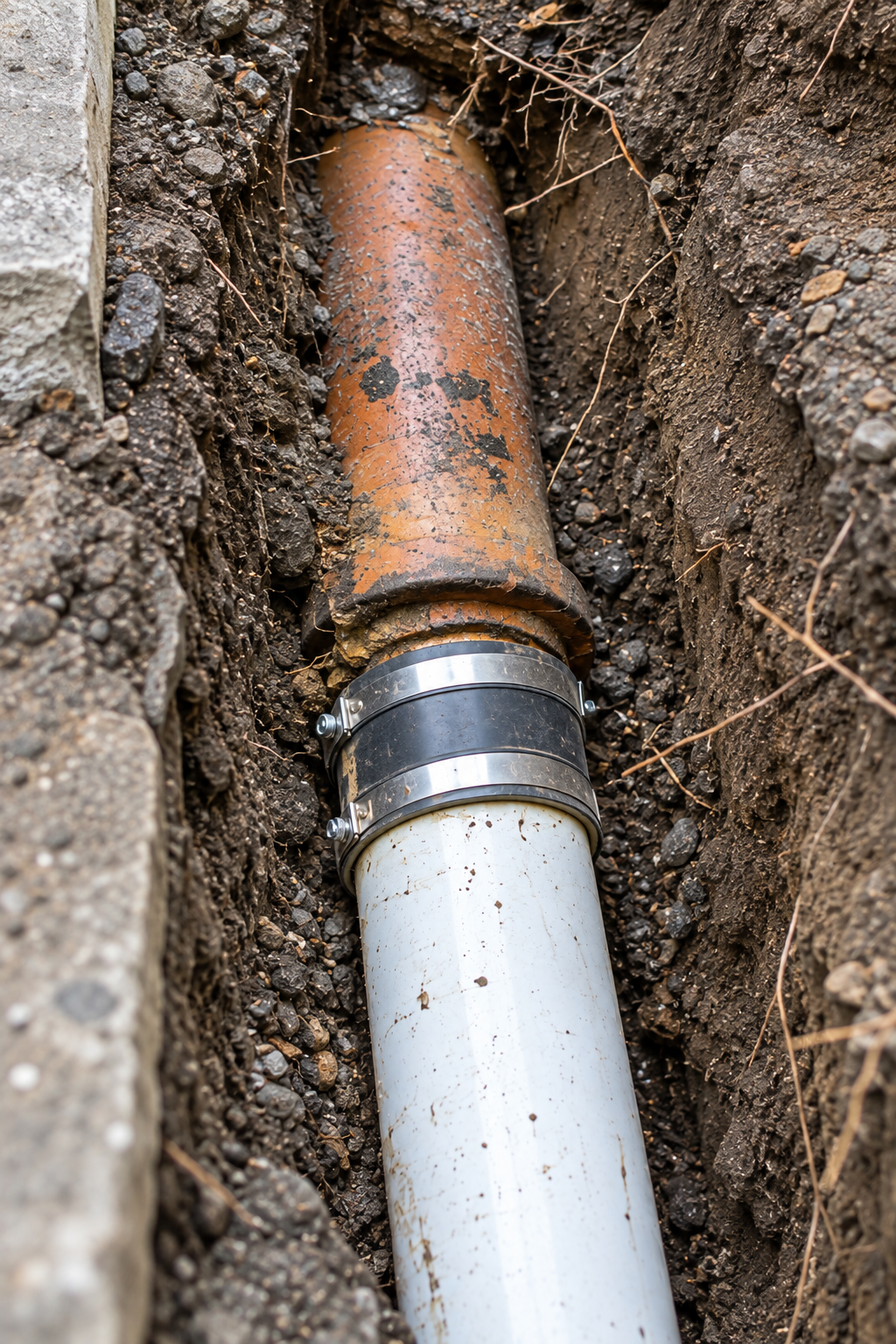
Sometimes only a damaged or easily accessible section was repaired while the remainder of the original clay line was left in place.
I recently encountered exactly this situation during the inspection of an older property: roughly four feet of the sewer had been replaced with PVC, while most of the line remained original clay. This is very common; often the old ‘whole house’ P-trap is what fails, and it’s replaced by a straight PVC pipe, but the rest of the clay pipe is perfectly operable.
That isn’t necessarily a problem. It simply means you need to understand what was replaced and what wasn’t.
Who is responsible for the sewer line in Toronto?
This is particularly important when a problem is discovered.
Toronto divides the sewer service line at the property line.
The portion running from the house to the property line is private and is the homeowner’s responsibility. The portion from the property line toward the City’s sewer main is the City side. (City of Toronto)
So the location of a defect can make a significant difference.
Does a clay sewer need to be replaced?
Not simply because it’s clay.
I wouldn’t recommend replacing a functioning sewer solely because of its age or material.
I’d want to know what the camera inspection actually shows.
If there’s significant deterioration, recurring root intrusion, a collapse or another serious defect, then it’s time to have a sewer contractor assess the repair or replacement options.
If you’re about to finish your basement, you might want to replace that old clay pipe first, to prevent ever having to replace your new floors post-renovation.
How much does sewer replacement cost in Toronto?
This is another situation where I prefer a real quote over an internet estimate.
Cost can change substantially depending on:
Length and depth of the sewer
Location of the damaged section
Excavation required
Landscaping, walkways or other surfaces above it
Access to the property
Whether a trenchless repair or replacement is possible
If an inspection identifies a significant problem during a purchase, my preference is to have a contractor review the camera footage and quote the actual work required.
That turns “the house has an old clay sewer” into something much more useful:
Here’s the defect. Here’s where it is. Here’s how we’d fix it. And here’s approximately what it will cost.
Should a clay sewer stop you from buying a century home?
Not on its own.
For me, the better questions are:
Has it been scoped? What condition is it in? Are there roots or structural problems? Has part of it already been replaced? And if work is needed, what will it actually cost?
An old pipe is a fact about the house.
A camera inspection tells you whether it’s actually a problem.
Mike Perkins
Toronto Real Estate Agent
Real Estate. Thoughtfully Advised.
I work with buyers and sellers of older and character homes throughout Toronto. With century homes, my approach is to identify potential issues early, investigate them properly and, wherever possible, put a real cost around the solution.