Stone Foundations & Basements in Toronto Century Homes
What Buyers Should Know
The basement is often the part of a Toronto century home that makes buyers the most nervous.
You walk downstairs and suddenly everything looks old: exposed stone, rough mortar, low ceilings, uneven floors and sometimes evidence that water has been there before.
But an old-looking basement isn’t necessarily a bad basement.
The important question is what’s simply original construction and what’s evidence of an actual problem.
What do foundations look like in Toronto century homes?
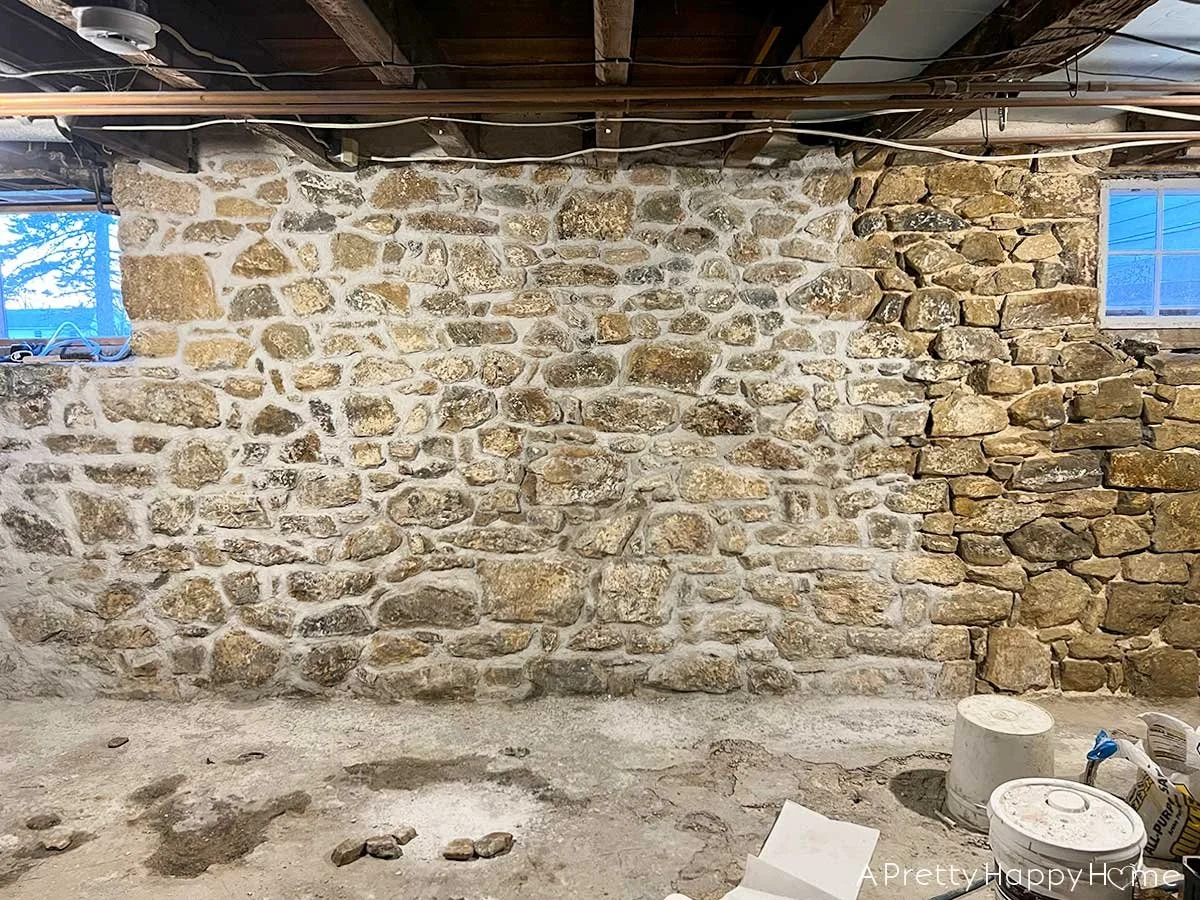
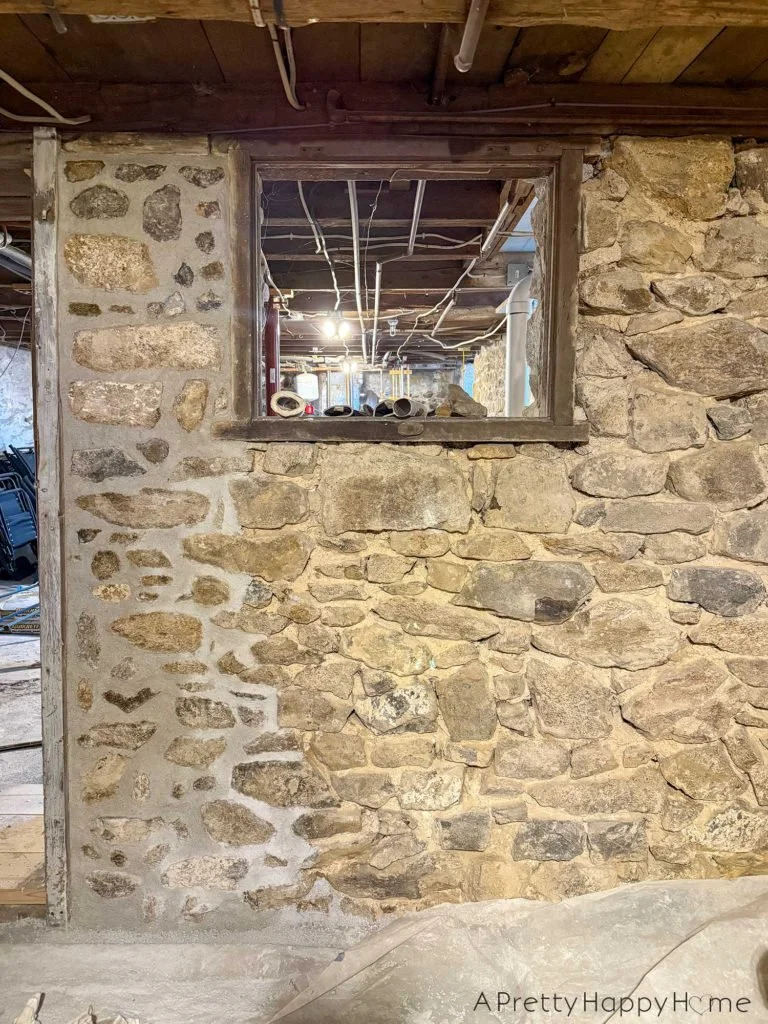
Depending on the age and location of the house, you may find foundations built from stone, brick, early concrete or some combination of materials.
They rarely look as clean and uniform as a modern poured-concrete foundation.
That’s normal.
With an old foundation, I’m much more interested in movement, deterioration and water than whether the wall looks pretty.
What should buyers look for?
A home inspector should assess the foundation, but there are several things worth noticing yourself:
Significant cracks or movement
Bulging or displaced sections of masonry
Loose or deteriorating mortar
Evidence of recurring water entry
Efflorescence or staining on the walls
Rot where wood framing meets the foundation
Improvised structural repairs
Posts or beams that appear to have been altered
Floors that are dramatically uneven
No single item automatically means there’s a serious problem.
It’s the overall pattern that matters.
A damp basement doesn’t necessarily mean a failed foundation
Older basements weren’t generally designed to function like modern finished living spaces.
Water management around the house may also have changed substantially over the past century.
Before assuming the foundation itself is failing, I’d look at simpler things:
Where do the downspouts discharge? Does the ground slope toward the house? Are window wells collecting water? Are gutters overflowing? Is there evidence of a plumbing leak?
Sometimes improving how water is managed outside the house can make a significant difference inside.
Watch for fresh finishes
Ironically, I often learn more from an unfinished century-home basement than a beautifully renovated one.
When the foundation walls and floor structure are exposed, you can actually inspect them.
A freshly drywalled basement can hide the very things you want to see.
That doesn’t mean a finished basement is suspicious. It simply means I’d pay attention to what remains accessible and ask questions about when and why the work was done.
Old houses are rarely perfectly level
A century-old house may have floors that slope slightly or doorways that aren’t perfectly square.
That doesn’t automatically mean the foundation is actively moving.
What matters is whether the movement appears historic and stable or ongoing and structural.
If something looks significant, that’s when I’d want an engineer or other appropriate specialist involved rather than trying to diagnose it during a showing.
What about waterproofing?
Exterior waterproofing, interior drainage systems and sump pumps can all have a place in older houses.
But I wouldn’t prescribe a solution until I understood where the water is actually coming from.
A damp corner caused by a downspout dumping water beside the foundation is a very different problem from groundwater entering throughout the basement.
Diagnose first. Then price the appropriate solution.
Should an old basement stop you from buying a century home?
Not simply because it looks old.
I’d want to know:
Is the foundation structurally sound? Is there evidence of ongoing movement? Where is moisture coming from? Is the wood structure above it healthy? And if repairs are needed, what will they actually cost?
A rough-looking 100-year-old basement may simply be a 100-year-old basement.
The goal is figuring out when you’re looking at character—and when you’re looking at a problem.
Mike Perkins
Toronto Real Estate Agent
Real Estate. Thoughtfully Advised.
I work with buyers and sellers of older and character homes throughout Toronto. With century homes, the goal isn’t to expect modern construction everywhere. It’s to understand what’s normal for the age of the house and investigate the things that aren’t.