Double-Brick Toronto Homes
What Buyers Should Know
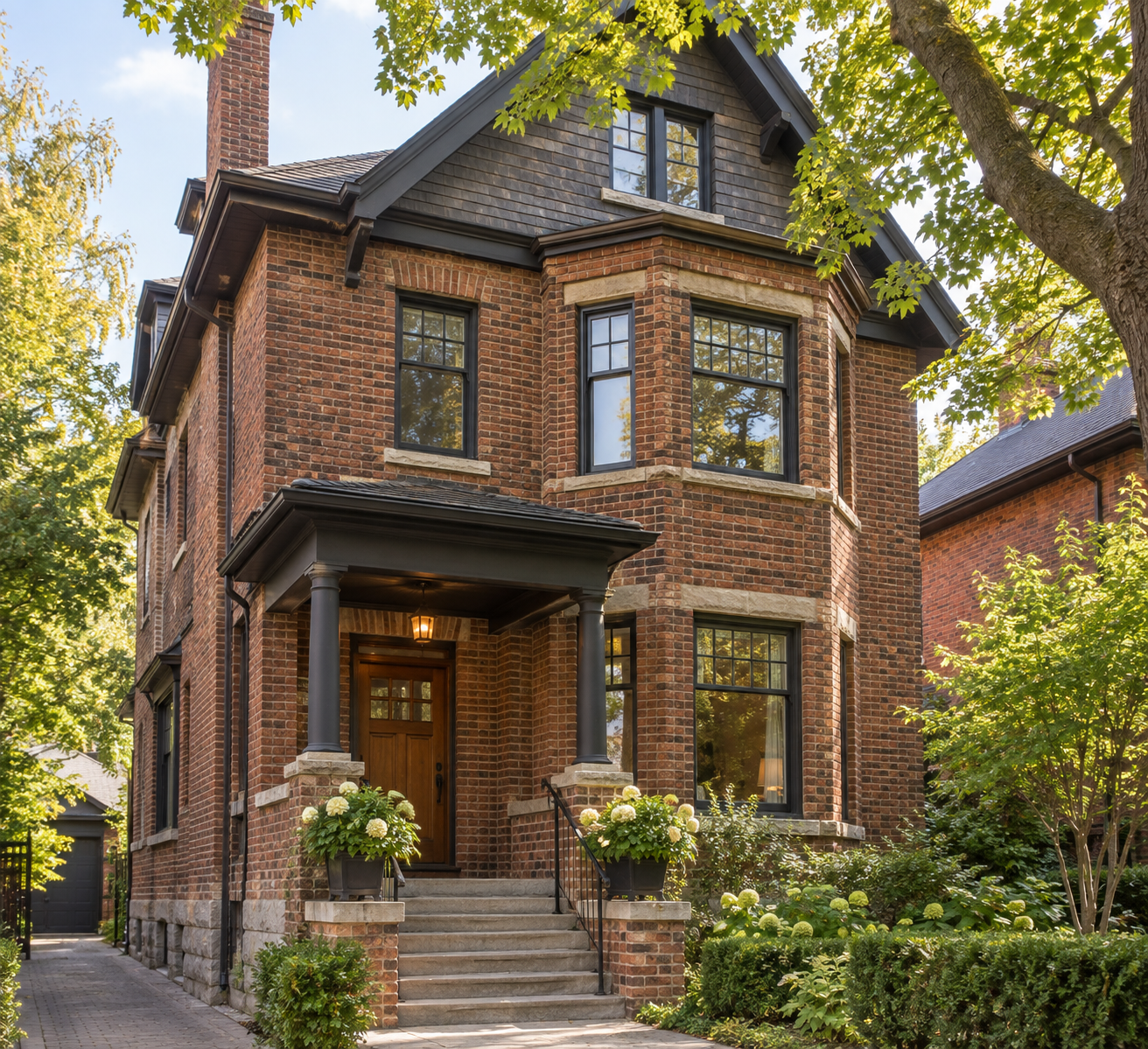
Many Toronto century homes were built with double-brick exterior walls.
You’ll sometimes see this highlighted in a listing as a selling feature, but what does it actually mean?
The short version: the brick isn’t simply decoration. It’s part of the structure of the house.
What does double brick mean?
Modern houses often have a wood-framed exterior wall with a single layer of brick installed outside as a veneer.
Many older Toronto homes were built differently.
Their exterior walls were constructed using multiple layers, or wythes, of masonry—commonly two layers of brick tied together to create a thick, structural wall.
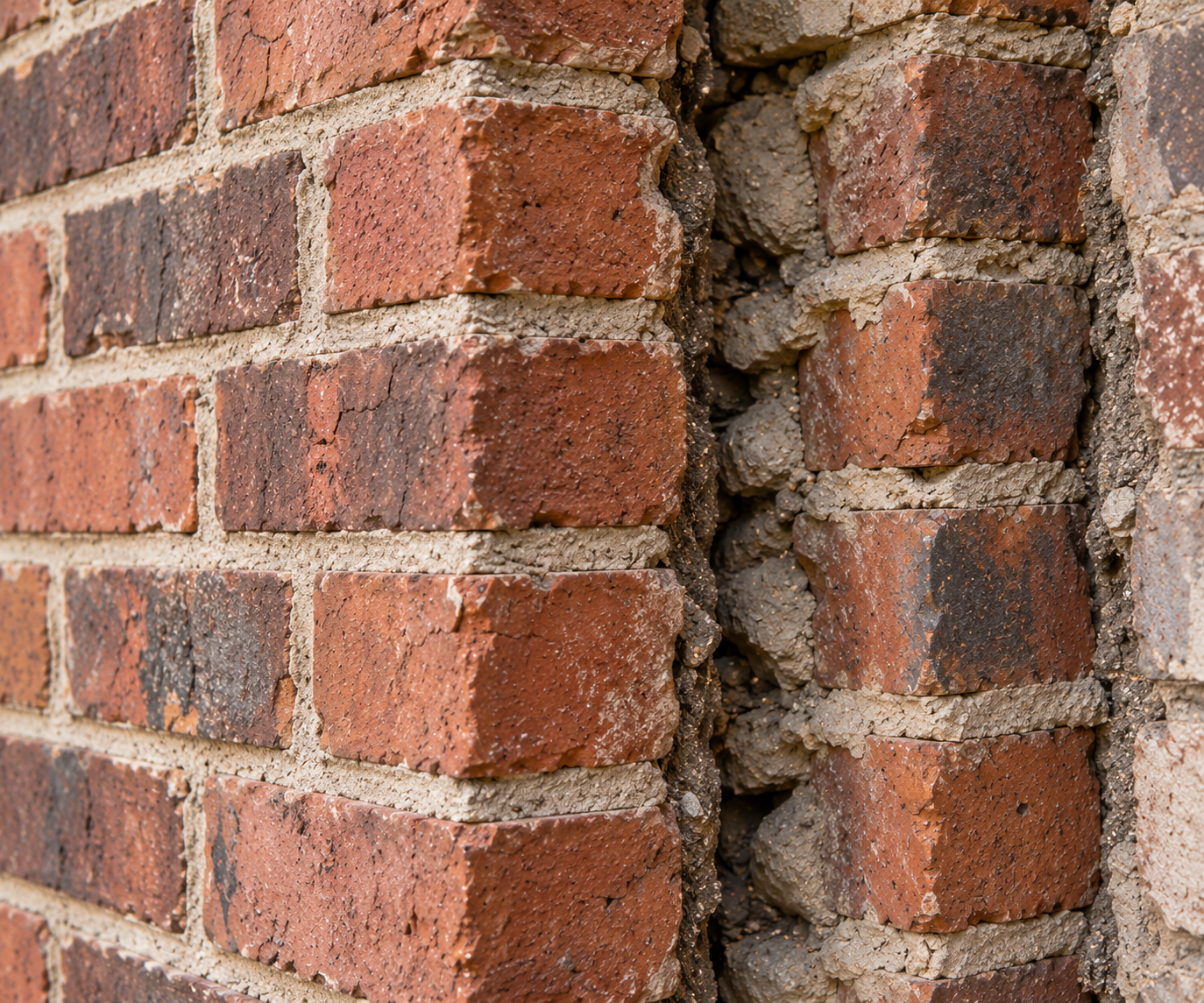
If you’re in an unfinished basement, renovation area or other exposed section of a century home, you can sometimes actually see how substantial these walls are.
Is double brick a good thing?
Generally, I consider it a positive characteristic of an older house.
These walls are substantial, durable and have already demonstrated their longevity by standing for a century or more.
But old and solid doesn’t mean maintenance-free.
With a masonry house, I’m particularly interested in the condition of the brick and mortar.
What should buyers look for?
When I’m looking at a double-brick century home, I pay attention to:
Cracked or deteriorating mortar
Bricks that are crumbling or spalling
Significant cracks through the masonry
Areas that have been poorly patched
Water staining or evidence of ongoing moisture
Changes around additions or altered openings
A few deteriorated bricks or aging mortar joints are very different from significant movement through a wall.
The pattern matters.
Be careful with old brick and modern mortar
One thing worth knowing before repairing a century home is that the mortar matters.
Older bricks can be softer than modern bricks. Using an inappropriate hard modern mortar can sometimes cause the brick itself to deteriorate rather than allowing the mortar joint to take the wear.
So if an old Toronto house needs significant repointing, I’d rather see the work done by someone familiar with historic masonry than simply hire whoever provides the cheapest masonry quote.
What about insulation?
This is probably the biggest limitation of double-brick construction.
A wall can be extremely substantial without providing anything close to the insulation value of a modern exterior wall.
And improving it isn’t always as simple as filling an empty cavity with insulation.
Changes to insulation can affect how heat and moisture move through an old masonry wall. That’s something I’d want properly assessed before undertaking a major insulation project.
We’ll cover that separately in the insulating a Toronto century home article.
Watch the additions
This is one of my favourite clues when looking at an older house.
The original house might be double brick, while a rear or later addition was built using conventional wood framing.
That’s completely normal.
But understanding where the original house ends and the addition begins can tell you a lot about the property’s construction, insulation and renovation history.
Should double brick affect your decision to buy?
For me, double brick itself isn’t something to worry about.
I’d focus instead on the condition of the masonry.
Are the bricks sound? Is the mortar deteriorating? Are there significant cracks? Is moisture getting into the wall? Have previous repairs been done properly?
If the masonry is in good condition, a double-brick exterior is one of those century-home features I’d generally be quite happy to find.
After all, it’s already been holding the house up for more than 100 years.
Mike Perkins
Toronto Real Estate Agent
Real Estate. Thoughtfully Advised.
I work with buyers and sellers of older and character homes throughout Toronto. Understanding how these houses were originally built makes it much easier to distinguish normal century-home construction from something that genuinely deserves further investigation.