Hot-Water Radiator Heating in Toronto Century Homes
Should You Keep It?
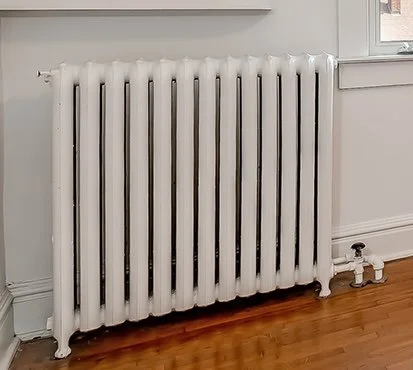
Walk into a Toronto century home and there’s a good chance you’ll find cast-iron radiators beneath the windows.
Buyers sometimes see them as an outdated heating system they’ll eventually need to replace.
I generally don’t.
A well-maintained hot-water radiator system can provide comfortable, quiet and remarkably even heat. Before planning to rip it out, I’d want to understand what you actually have.
How does radiator heating work?
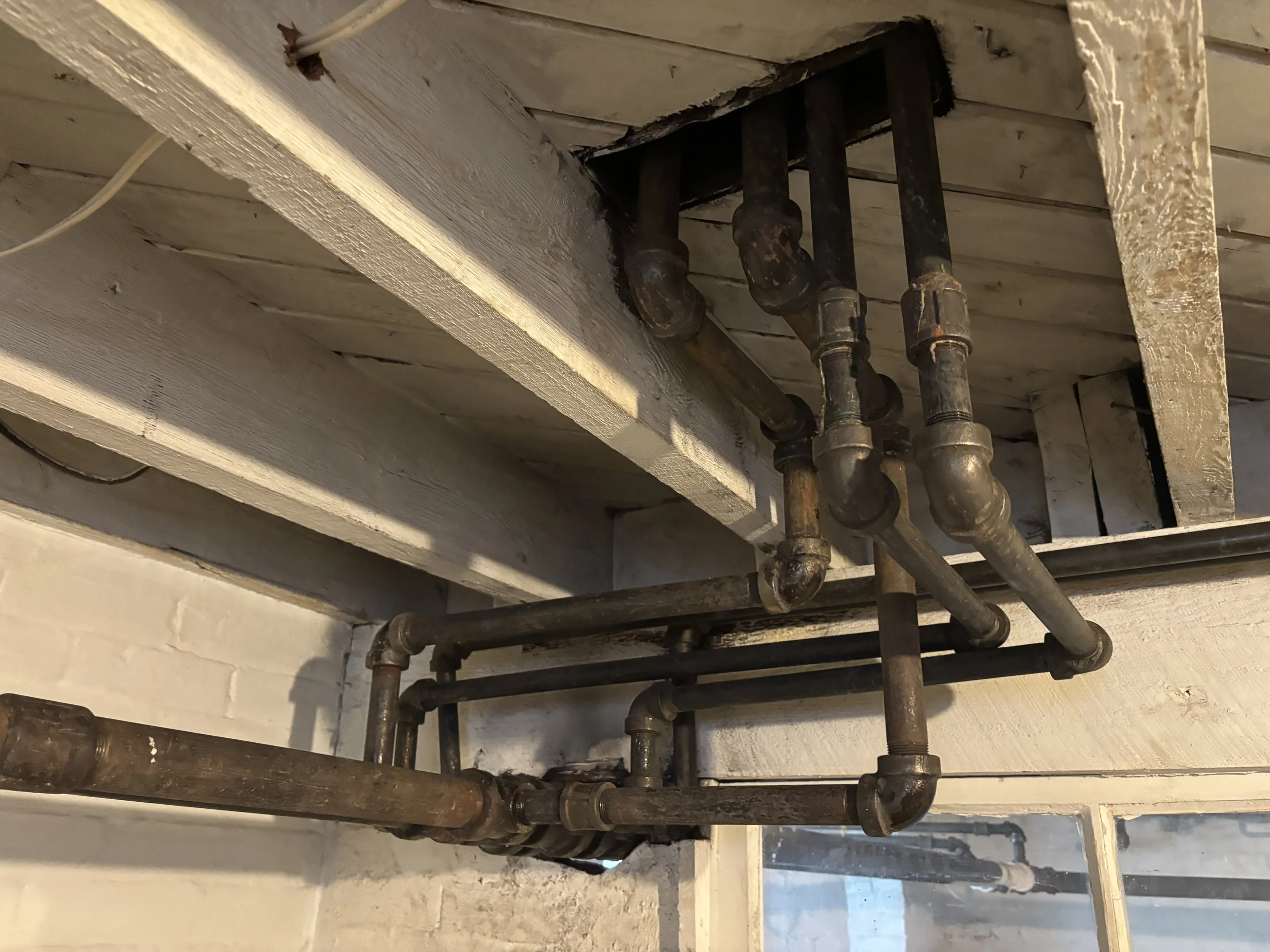
In a typical Toronto system, a boiler heats water and circulates it through pipes to radiators throughout the house.
The radiators warm the room without requiring forced air to blow through ductwork.
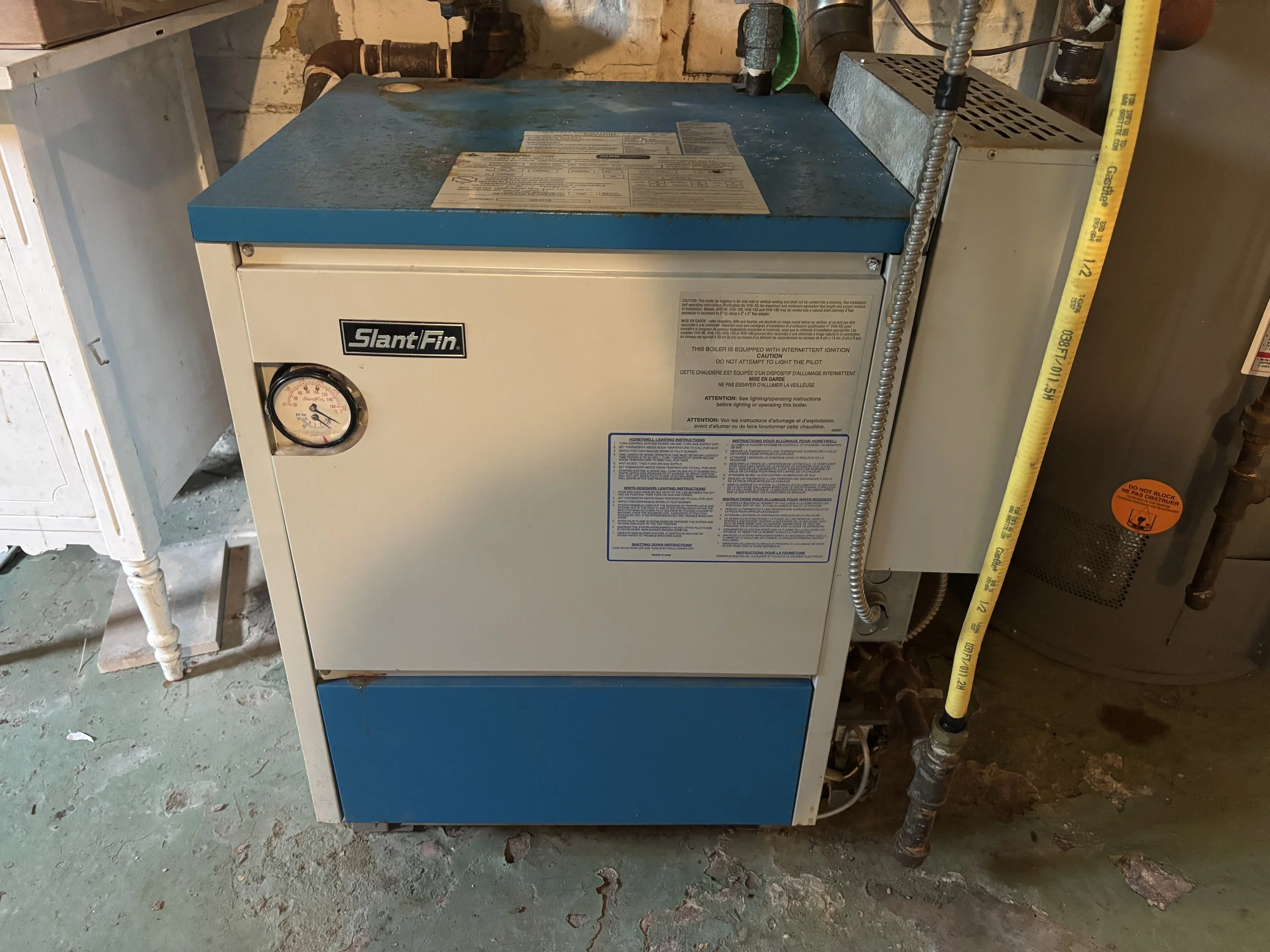
The system itself can be very simple and durable. The component I’m usually more interested in is the boiler.
An old house can have radiators that are many decades old connected to a much newer boiler.
Check the boiler, not just the radiators
If you’re buying a house with radiator heating, find out:
How old is the boiler?
Has it been regularly serviced?
Are there signs of leaking?
Do all of the radiators heat properly?
Are there obvious leaks around valves or piping?
Are there rooms that don’t seem to receive enough heat?
The presence of old cast-iron radiators isn’t, by itself, something I’d consider a defect.
Radiators can be extremely comfortable
This is the part buyers don’t always appreciate until they’ve lived with them.
Radiators provide a different type of heat from a forced-air furnace. There’s no fan cycling on and off and no rush of hot air followed by cooling.
Instead, the radiators themselves remain warm and gradually heat the room.
In a century home, I actually consider a properly functioning radiator system a feature worth preserving.
But what about air conditioning?
This is the legitimate drawback.
A radiator system heats the house, but it doesn’t give you ductwork for central air conditioning.
That doesn’t mean you need to remove the radiators.
Many older Toronto homes use ductless mini-split air conditioning, high-velocity systems or other solutions that allow the radiator heating to remain in place.
I’d investigate those options before installing conventional ductwork throughout a finished century home.
Why are the radiators usually under the windows?
You’ll often notice that the largest radiators sit directly underneath older windows.
That’s intentional.
Windows were historically some of the coldest surfaces in the house. Placing a radiator below them helps counteract the cold air descending from the glass and creates more even temperatures across the room.
It’s one of those century-home details that makes considerably more sense once you understand why it’s there.
Should you replace radiator heating with forced air?
I wouldn’t do it simply because the system is old.
Removing radiators, installing ductwork and opening finished walls can become a significant renovation—and you may end up replacing a heating system you actually would have preferred.
I’d first determine:
Is the boiler in good condition? Does the system heat the house properly? Are there leaks or other problems? And what would we actually gain by replacing it?
If the answers are favourable, I’d be inclined to keep it.
Sometimes the old system isn’t the problem.
Sometimes it’s one of the best parts of the house.
Mike Perkins
Toronto Real Estate Agent
Real Estate. Thoughtfully Advised.
I work with buyers and sellers of older and character homes throughout Toronto. Understanding a century home isn’t just about finding what’s wrong with it. It’s also about recognizing which original features are still doing their job exceptionally well.