Buying a Century Home in Toronto
What Should You Inspect?
Buying a century home in Toronto is different from buying a newer house.
That doesn’t mean it’s necessarily riskier. It means you need to know which parts of the house deserve closer attention.
When I’m looking at an older Toronto home with a buyer, I’m not expecting everything to be new. I’m trying to distinguish between:
Something that’s old, something that needs maintenance, and something that’s actually a problem.
Here are the areas I’d pay particular attention to.
1. Electrical: Don’t Just Look at the Panel
A modern breaker panel doesn’t necessarily mean the house has been completely rewired.
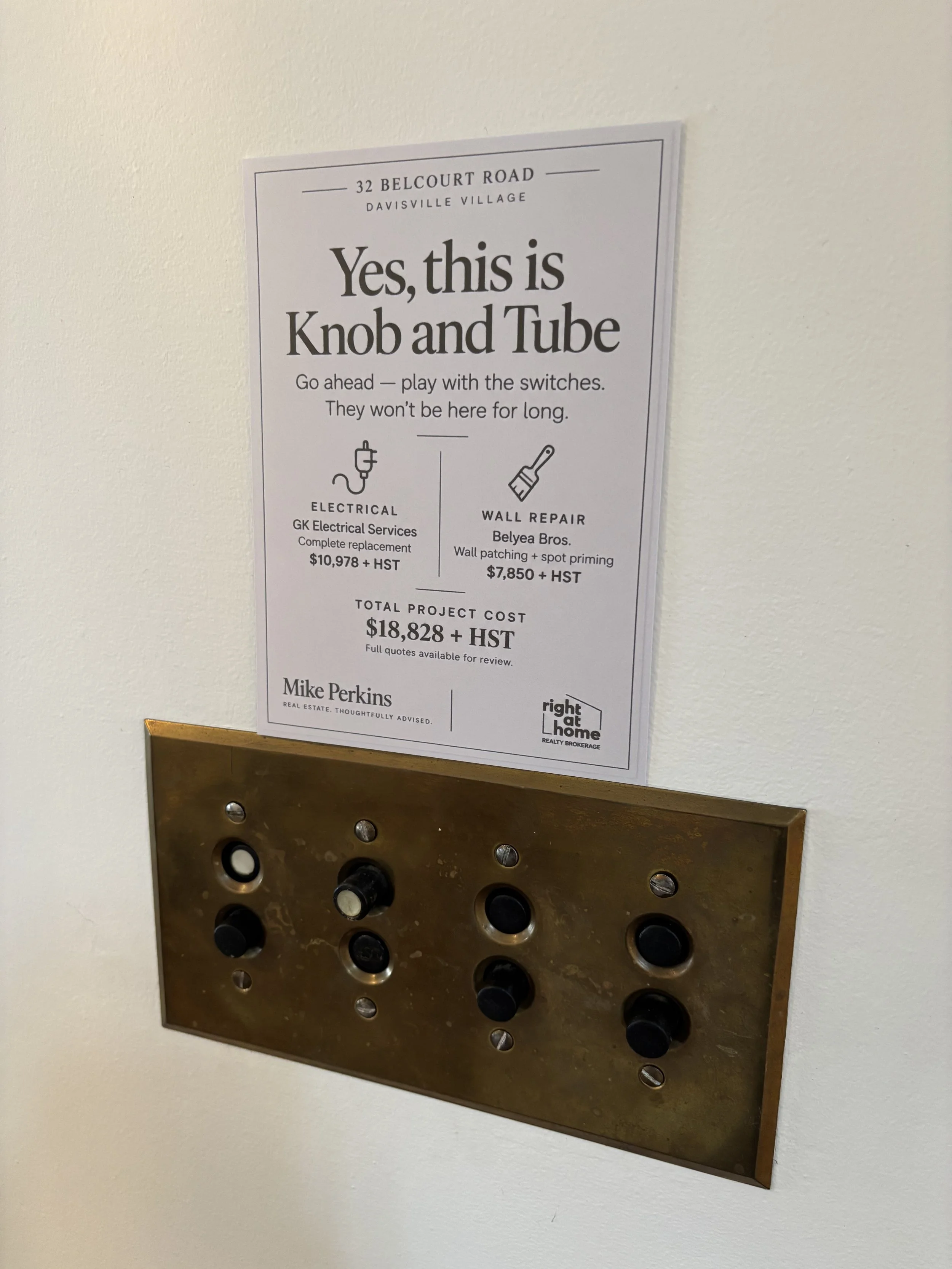
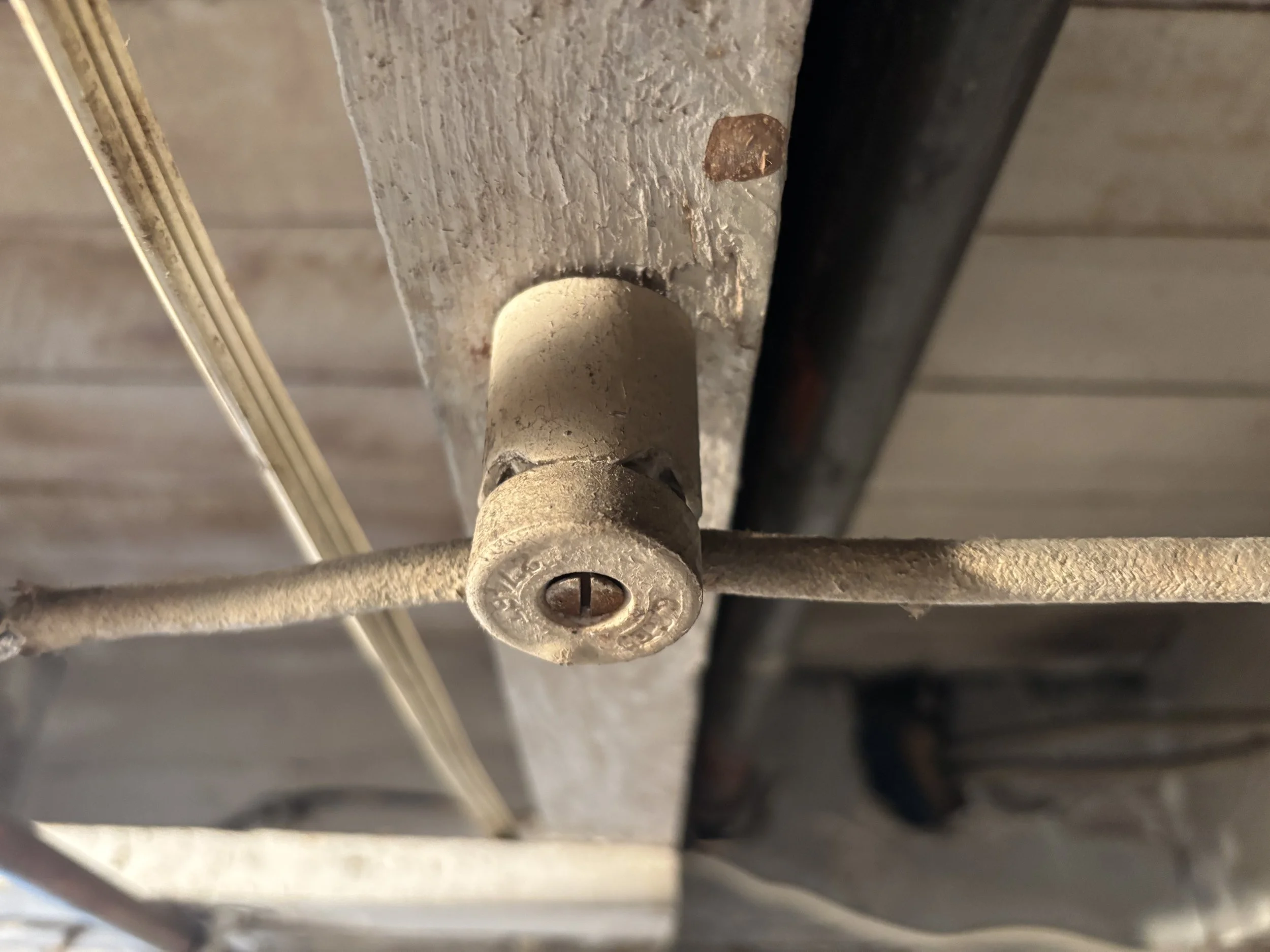
Many Toronto homes were upgraded gradually. You may see modern grounded copper wiring leaving the panel, only to discover that it connects to older knob-and-tube wiring at a junction box before disappearing into the finished walls.
Follow the wire.
If knob-and-tube remains, determine how much is active and speak with your insurer about their requirements.
Read: Knob-and-Tube Wiring in Toronto Homes
2. Sewer: Get a Camera Down It
The sewer line is largely invisible during a normal home inspection.
Older Toronto houses may still have original clay sewer pipes, and age alone doesn’t mean they need replacement.
A sewer-camera inspection can identify root intrusion, cracks, displacement, blockages and previous repairs.
And don’t assume seeing a section of PVC means the whole sewer was replaced.
Follow the pipe.
Read: Clay Sewer Pipes in Toronto Homes
3. Plumbing: Find Out What Actually Remains
Century homes often contain several generations of plumbing.
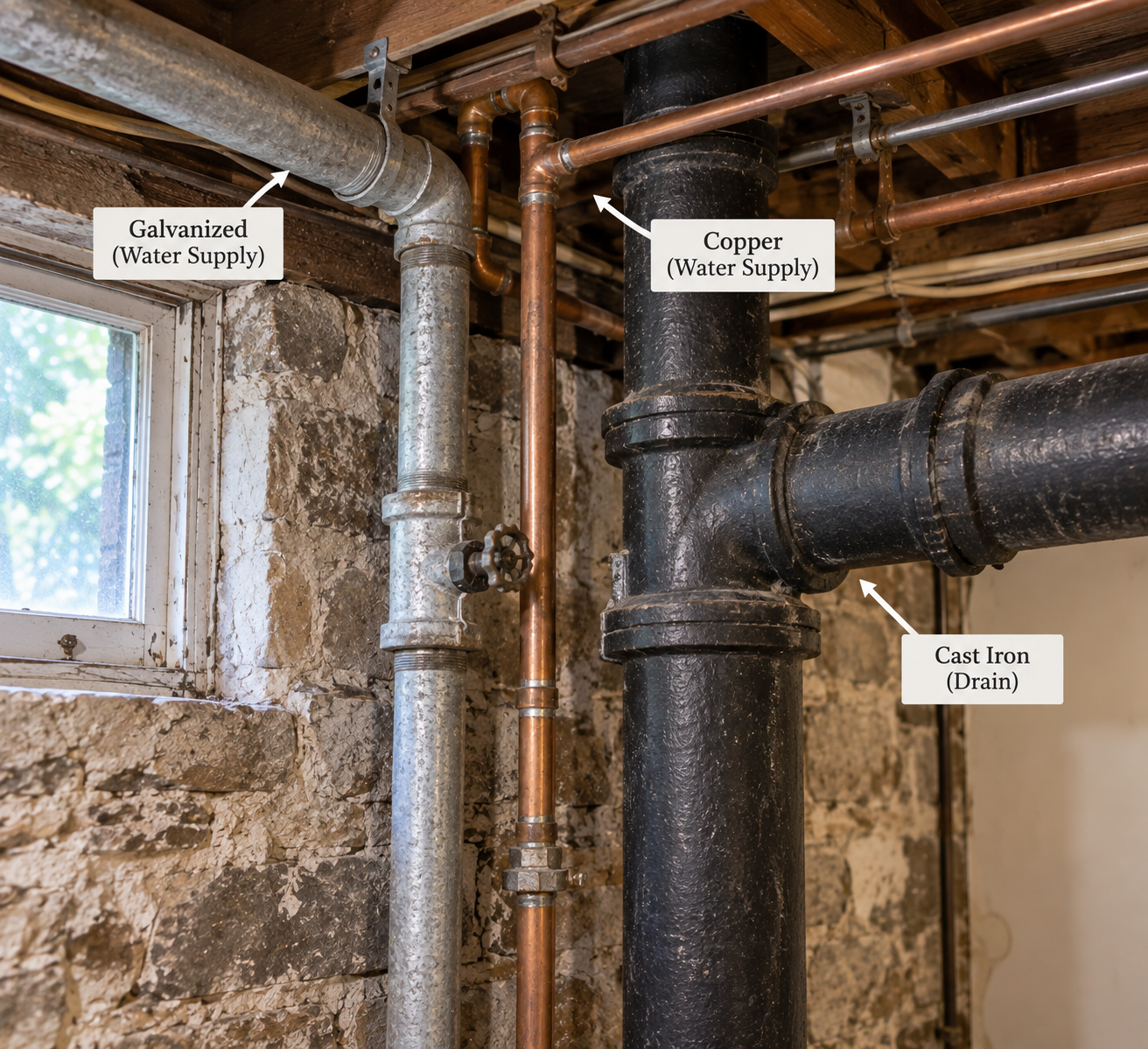
You might find modern PEX, copper, galvanized steel and cast iron in the same house. A renovation from the 1990s or 2000s may also contain Kitec.
Seeing new plumbing beside the water heater doesn’t tell you what’s supplying an upstairs bathroom.
Again: follow it.
I’d also investigate whether an older property could still have a lead water service.
Read: Old Plumbing in Toronto Homes
4. Foundation and Basement
Old basements look old.
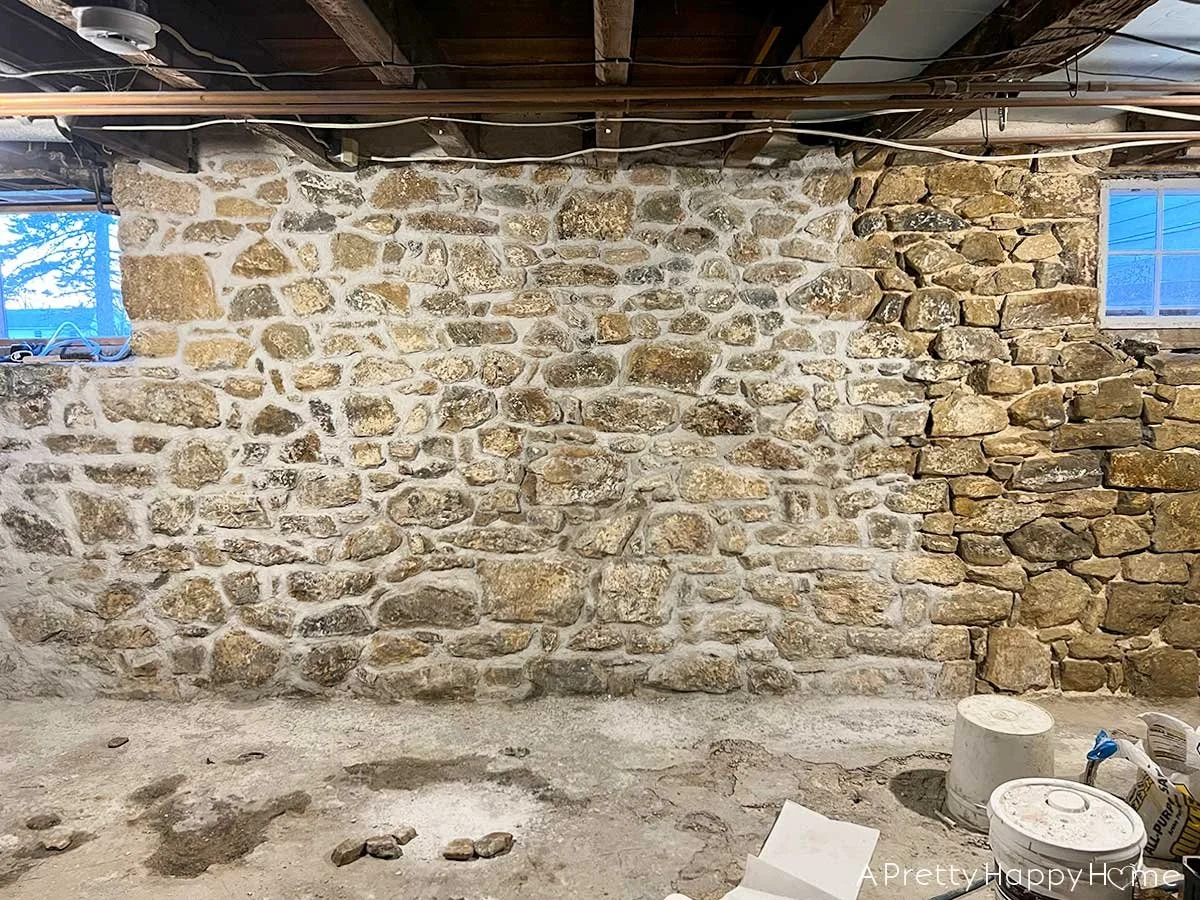
Stone walls, rough mortar, uneven floors and low ceilings aren’t automatically evidence of a structural problem.
I’m more interested in:
Significant movement or cracking
Deteriorating masonry
Active water penetration
Rot where wood meets masonry
Altered beams or supports
Evidence of questionable structural work
A slightly uneven 100-year-old house is very different from a house that’s actively moving.
Read: Stone Foundations & Basements in Toronto Century Homes
5. Look for Water—and Then Find Its Source
Water deserves attention in any house.
But a damp basement doesn’t automatically mean the foundation needs tens of thousands of dollars in waterproofing.
Check the simple things too.
Where do the downspouts discharge? Does the property slope toward the house? Are the gutters working? Is there a plumbing leak?
Diagnose the source before pricing the solution.
6. Understand the Exterior Walls
Many Toronto century homes were built using double-brick construction rather than modern wood framing with brick veneer.
That’s generally something I’m happy to find.
But inspect the condition of the brick and mortar. Look for deterioration, inappropriate previous repairs, significant cracking and moisture issues.
And remember that an addition may be constructed completely differently from the original house.
Read: Double-Brick Toronto Homes
7. Heating: Old Doesn’t Necessarily Mean Bad
Cast-iron radiators can look antiquated to someone accustomed to forced-air heating.
That doesn’t make them bad.
A properly functioning hot-water radiator system can provide extremely comfortable and even heat.
I’d pay more attention to the condition and age of the boiler, evidence of leaks and whether all areas of the house heat properly.
Read: Hot-Water Radiator Heating in Toronto Century Homes
8. Plaster Cracks Need Context
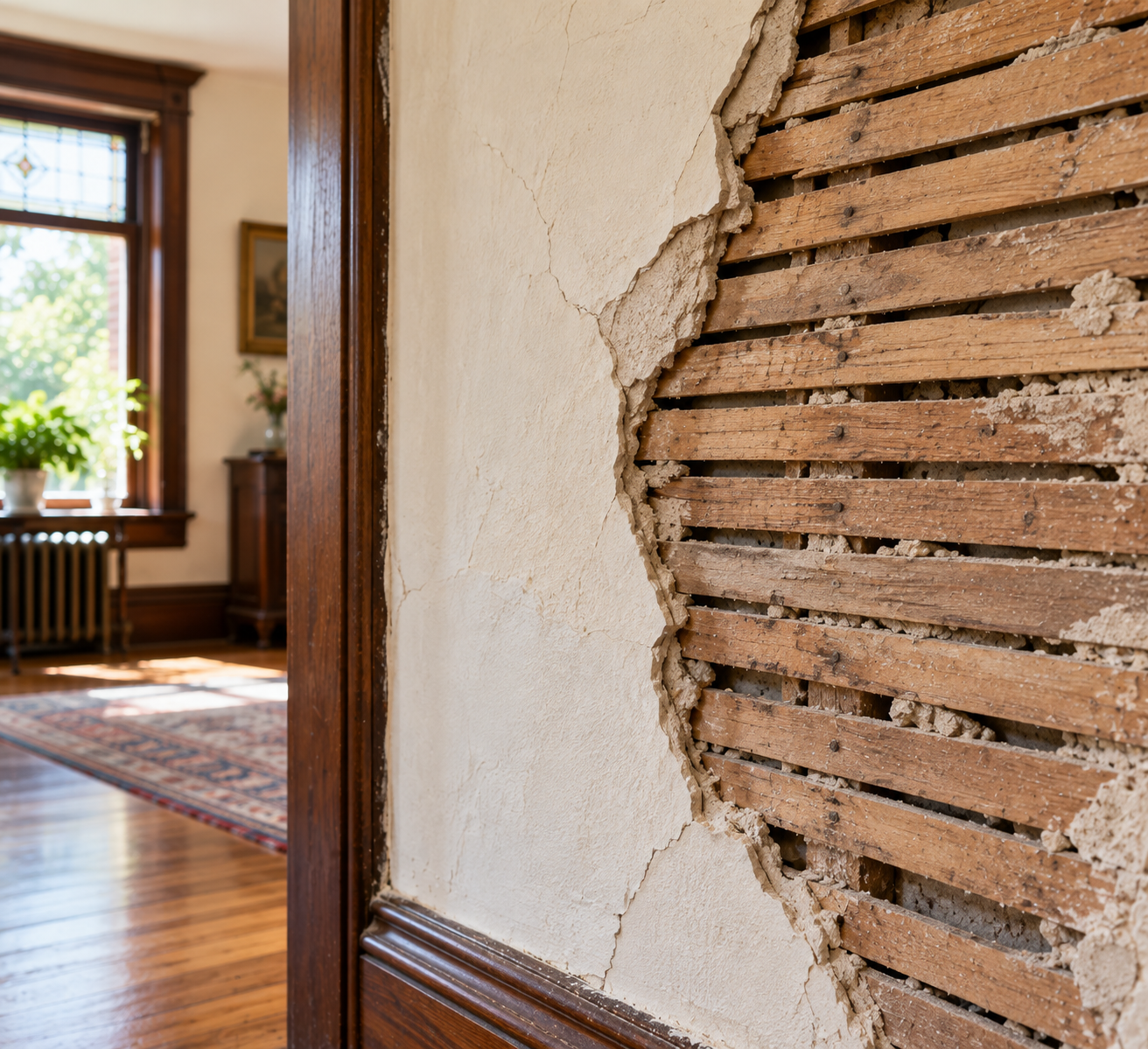
If a house has original plaster-and-lath walls, expect to see some cracks.
The important thing is the pattern.
Fine plaster cracks are very different from substantial displacement or cracking that corresponds with structural movement elsewhere in the house.
Don’t assume every plaster crack means foundation trouble.
Read: Plaster & Lath Walls in Toronto Century Homes
9. Original Windows: Don’t Automatically Budget for Replacement
Old wood windows may be drafty, painted shut or need new glazing.
But if the wood itself is sound, restoration may be possible.
Before replacing them, consider what you’d be losing—particularly if the house has original proportions, woodwork, wavy glass or stained glass.
Read: Original Wood Windows in Toronto Century Homes
10. Look for Asbestos Where Renovations Are Planned
Asbestos-containing materials can be found in many older houses.
The important questions are where the material is, what condition it’s in and whether you’re planning to disturb it.
If you’re buying specifically to renovate, testing suspected materials before undertaking demolition can be particularly useful.
Read: Asbestos in Older Toronto Homes
11. Figure Out What’s Original—and What Isn’t
A 100-year-old house probably isn’t actually 100 years old everywhere.
There may be:
Rear additions
Enclosed porches
Finished attics
Added bathrooms
Removed walls
Underpinned basements
Converted heating systems
Renovated kitchens
Try to understand where the original house ends and subsequent work begins.
Sometimes the addition deserves more investigation than the century-old part.
12. Get the Right Inspection
For a century home, I particularly value an inspector who’s comfortable with older Toronto construction.
I don’t need someone to tell me:
“This isn’t how we’d build it today.”
Of course it isn’t.
I want to know:
Is it functioning? Is it safe? Is it deteriorating? Does it need further investigation? And if there’s a problem, what’s the appropriate next step?
Should You Be Afraid of Buying a Century Home?
No house should get a free pass simply because its problems are “normal for its age.”
But age itself isn’t a defect either.
The objective isn’t to find a century home where everything has been replaced.
In fact, some of the things I most like finding—double-brick construction, plaster walls, original woodwork, stained glass, wood windows and cast-iron radiators—are valuable precisely because nobody replaced them.
The goal is to understand the house.
Find what’s old. Identify what’s actually wrong. Investigate the unknowns. And put real numbers around the things that need work.
Once you’ve done that, a century home becomes much easier to evaluate.
Mike Perkins
Toronto Real Estate Agent
Real Estate. Thoughtfully Advised.
I work with buyers and sellers of older and character homes throughout Toronto. My approach to century homes isn’t to expect them to behave like new construction. It’s to understand how they were built, investigate the things that matter and help buyers separate character from genuine problems.